Living with pets means cleaning mess that rarely stays cleaned for long. Hair returns to the floor, litter travels beyond the tray and outdoor debris comes back inside on paws.
Robot vacuums can work well for pet hair when used frequently. For pet owners, prioritise effective suction, pet-hair-friendly brushes and sufficient bin capacity, then adjust your cleaning schedule to how much your pets shed and the mess they bring into your home.
Do robot vacuums work for pet hair?
Yes. Robot vacuums can be particularly useful for picking up loose cat and dog hair because they can clean frequently without requiring you to vacuum the floor yourself every time hair reappears.
How well they perform depends on the amount and length of hair, your flooring, brush design, suction and how often the robot runs. Loose hair is generally easier to collect from hard floors, while hair embedded in carpet fibres may need stronger agitation and suction.
For households with heavy shedders, however, the biggest advantage is consistency. Running the robot regularly helps collect loose hair while there is still a manageable amount of it, rather than waiting until tumbleweeds of fur start appearing under furniture and around the edges of rooms.
What robot vacuum features matter most for pet owners?
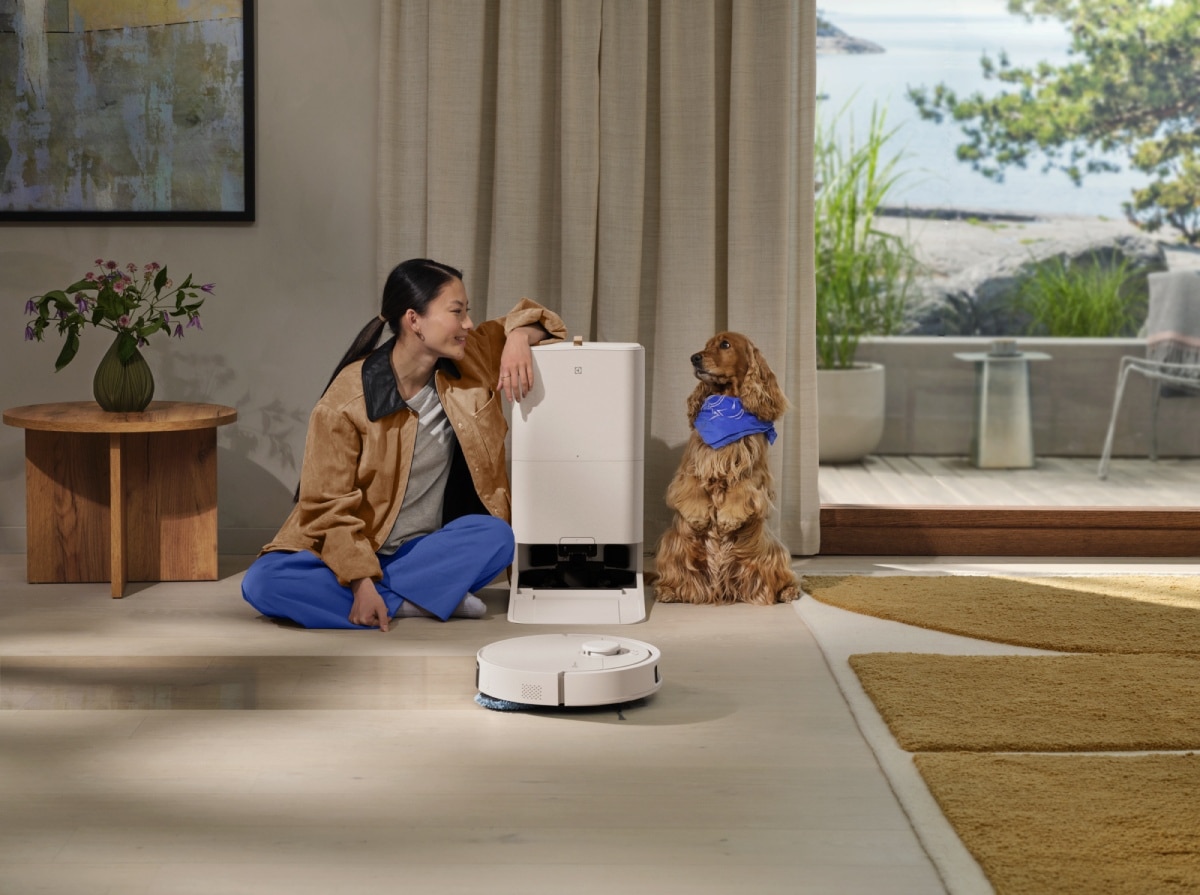
Pets do not shed according to your cleaning schedule. Hair, dander, litter and food crumbs can return almost as soon as the floor is clean, which is why the best robot vacuum for pet hair is one designed to keep up with recurring messes.
Strong suction for loose hair and tracked debris
Pets leave behind more than fur. There is dander, fine dust, dry food crumbs and, for cat owners, pieces of litter that somehow travel well beyond the litter tray.
Effective suction helps collect this mix of loose debris before it spreads further around the home. However, do not judge pet-hair performance by one suction figure alone.
Brush design, floor type and the overall cleaning system also affect how successfully debris reaches the dustbin.
The more everyday debris the robot collects during each run, the less there is waiting for you later.
Anti-tangle brushes make hair easier to manage
Hair can wrap itself around a conventional rotating brush, particularly when you have long-haired cats or dogs, or there are people with long hair who are all sharing the same home.
Anti-tangle or pet-hair-friendly brush designs can help reduce wrapping or make accumulated hair easier to remove. That can mean spending less time cutting and pulling strands from the brush during maintenance.
This becomes particularly valuable in multi-pet households, where the amount of hair passing through the vacuum can quickly add up.
Larger bins or self-emptying help with heavy shedding
More hair going into the vacuum means a dustbin that fills more quickly. If the bin reaches capacity halfway through a cleaning cycle, you lose some of the convenience that automated cleaning is supposed to provide.
A larger bin can reduce how frequently you need to empty it, while a compatible self-emptying station can take over much of that task. For homes with several pets or heavy shedders, this can make frequent cleaning considerably easier to maintain.
Mopping helps with more than pet hair
Hair is only one part of living with pets. Light paw prints and everyday marks can quickly make hard floors look dirty again.
A robot vacuum and mop can complement vacuuming by collecting suitable dry debris and then maintaining compatible hard floors with regular mopping. This is particularly useful around entrances and other areas your pets frequently cross.
Liquid or biological pet accidents are different. Unless the manufacturer specifically states otherwise, clean these manually before allowing the robot to enter the area.
Read more:
- Can Robot Vacuums Clean Tiles and Hard Floors Effectively?
- Robot vacuum vs cordless vacuum: Which is better for your home?
How often should you run a robot vacuum if you have pets?
There is no schedule that works for every pet household. A better approach is to match cleaning frequency to how quickly hair and debris return.
- Daily or near-daily cleaning can be worthwhile if you have heavy-shedding pets, several cats or dogs, pets with access to most rooms, or hard floors where loose hair becomes visible quickly. Frequent automated cleaning catches that hair before it has time to collect around furniture and along walls.
- Every two to three days may be enough for one lower-shedding pet, a smaller pet-access area or a home that is also vacuumed manually on a regular basis.
Treat that schedule as a starting point. Shedding season, hair length, floor type and the amount of litter or outdoor debris your pets track inside can all change how often you need to clean.
The advantage of automation is that you can increase the frequency without increasing your own cleaning workload by the same amount.
Read more:
How to clean and maintain a robot vacuum when you have pets
A robot vacuum that deals with pet hair regularly also needs a little more attention itself.
Check the brush for wrapped hair
Inspect the main and side brushes regularly, including the ends and axles where strands can accumulate. Remove wrapped hair according to the manufacturer’s instructions so the brushes can continue rotating freely and collecting debris effectively.
Empty the bin before pet hair builds up
Heavy shedding can fill a small bin surprisingly quickly. Instead of relying on a fixed schedule, check it regularly and empty it before it becomes packed with hair, particularly during seasonal shedding.
Check and clean filters more frequently
Fine hair, dander and dust can accumulate in the filtration system. Follow the manufacturer’s cleaning and replacement instructions carefully, as some filters can be washed while others cannot.
Clean mop pads after mopping
If your robot also mops, clean or replace the mop pad as recommended, particularly after it has cleaned areas frequently used by your pets. Starting with a clean pad helps prevent yesterday's dirt from travelling through today's clean.
Check out our complete guide on how to clean a vacuum cleaner.
Can a robot vacuum replace regular vacuuming in a home with pets?
Think of a robot vacuum as the cleaner that keeps pet hair from getting ahead of you, not necessarily the only vacuum you will ever need.
It can handle frequent automated floor maintenance, while a stick or canister vacuum can take care of areas a robot cannot easily reach: sofas, stairs, pet beds, tight spaces and deeper carpet cleaning.
For many pet households, the most practical routine is:
- Robot vacuum for frequent floor maintenance
- Stick or canister vacuum for periodic deeper and above-floor cleaning
The result is less pet hair waiting for you when it is time for that deeper clean.
Read more:
- How to Vacuum a Car Interior: Step-by-Step Guide
- How to clean fabric sofa effectively with a vacuum cleaner
Make everyday pet-hair cleaning easier with the right robot vacuum
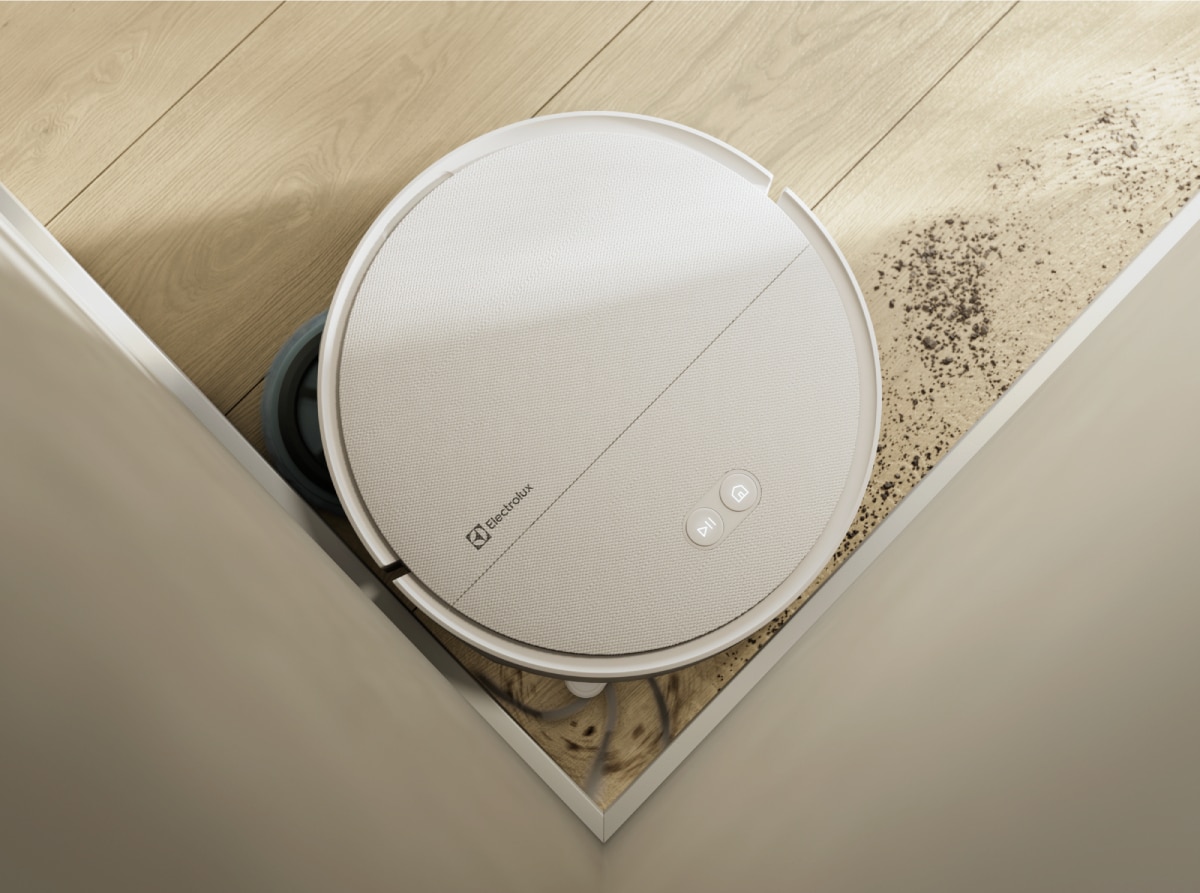
For pet owners, the right robot vacuum is one that can keep up with the mess your pets create every day. Prioritise effective suction, pet-hair-friendly brush design and features that make frequent cleaning easier.
Explore what to consider when choosing a robot vacuum for a home with cats, and discover Electrolux Silenus robot vacuum solutions designed to make everyday floor care easier in pet-friendly homes.