A drop in suction power is one of the most common issues with vacuum cleaners—and in most cases, it’s entirely preventable. Reduced suction doesn’t always mean your appliance is failing. More often, it’s a result of blocked airflow, full dust containers, or overdue maintenance.
This guide explains how to increase vacuum cleaner suction power, what suction power actually means, and how to maintain consistent cleaning performance over time.
Quick summary:
- Empty the dustbin regularly to maintain airflow
- Clean filters to prevent suction loss
- Remove blockages in hoses and attachments
- Keep brushes and nozzles free from hair and debris
- Use the right accessories to optimise cleaning performance
What is vacuum cleaner suction power?
Vacuum cleaner suction power refers to the machine’s ability to draw in air, along with dust and debris, from surfaces.
It is driven by the motor and airflow system. The stronger and more efficient the airflow, the better the vacuum can lift dirt from carpets, hard floors, and upholstery.
However, suction power isn’t just about motor strength—it also depends on:
- Airflow efficiency
- Filter condition
- Dust container capacity
- Overall system design
Even a powerful vacuum can lose performance if these elements are not properly maintained.
How to increase vacuum cleaner suction power: 4 essential steps
1. Clean the attachments regularly
Attachments play a critical role in airflow.
Dust build-up, tangled hair, and debris can block brushes and reduce efficiency. Pay close attention to:
- Motorised brush rolls
- Nozzles and tubes
- Crevice tools
Remove hair and fibres from the brush roll by cutting through tangles carefully. Keeping attachments clean ensures consistent rotation and airflow.
>>> Read more: How to clean vacuum cleaner
2. Empty the dust bag or container
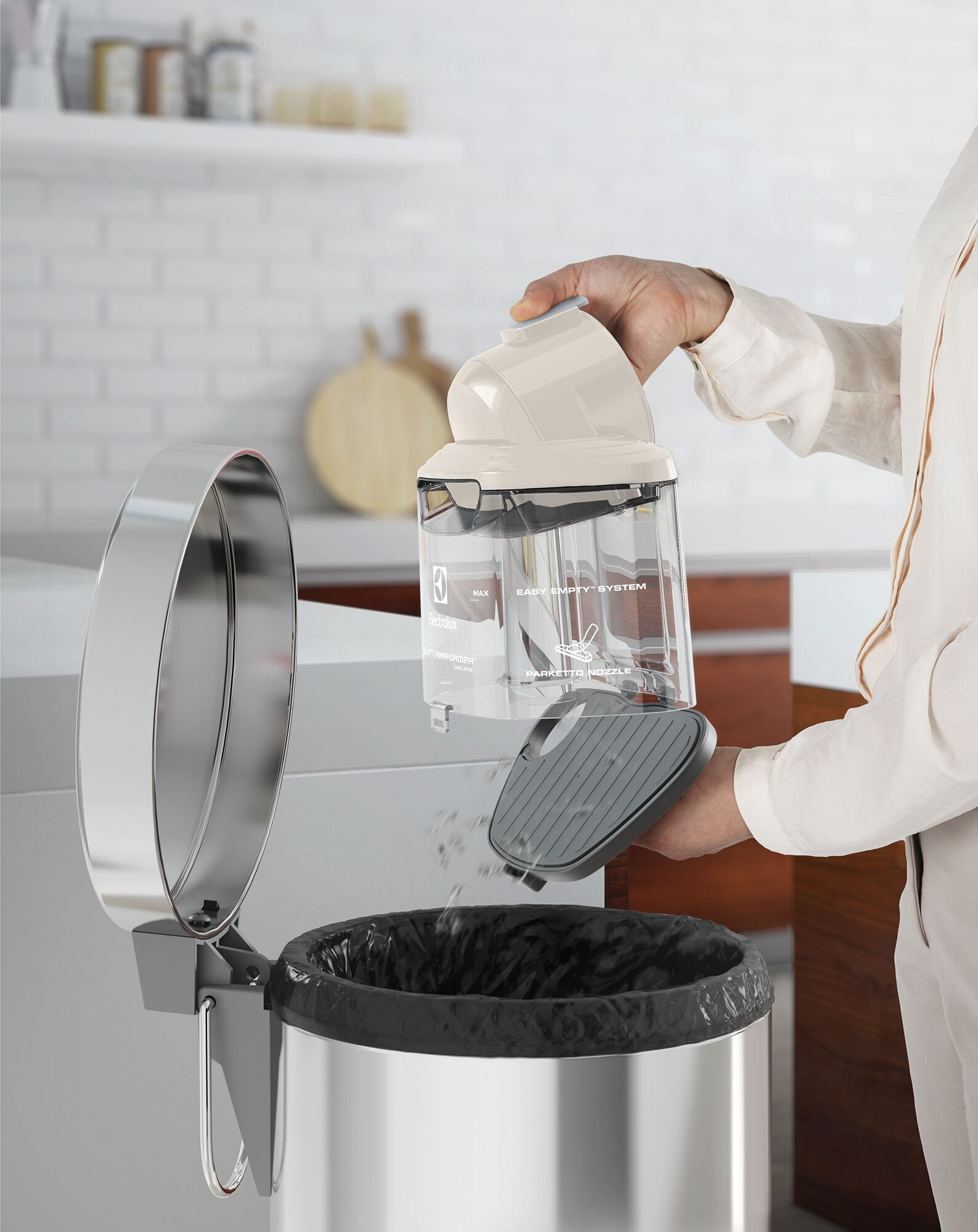
One of the fastest ways to restore suction is to empty the dust container.
When the bag or bin is too full, airflow becomes restricted, reducing cleaning performance. For optimal results:
- Empty or replace at 70–80% capacity
- Check more frequently in homes with pets or heavy usage
Many modern vacuums include indicators or transparent dustbins, making this process easier and more intuitive.
3. Check and maintain the filters
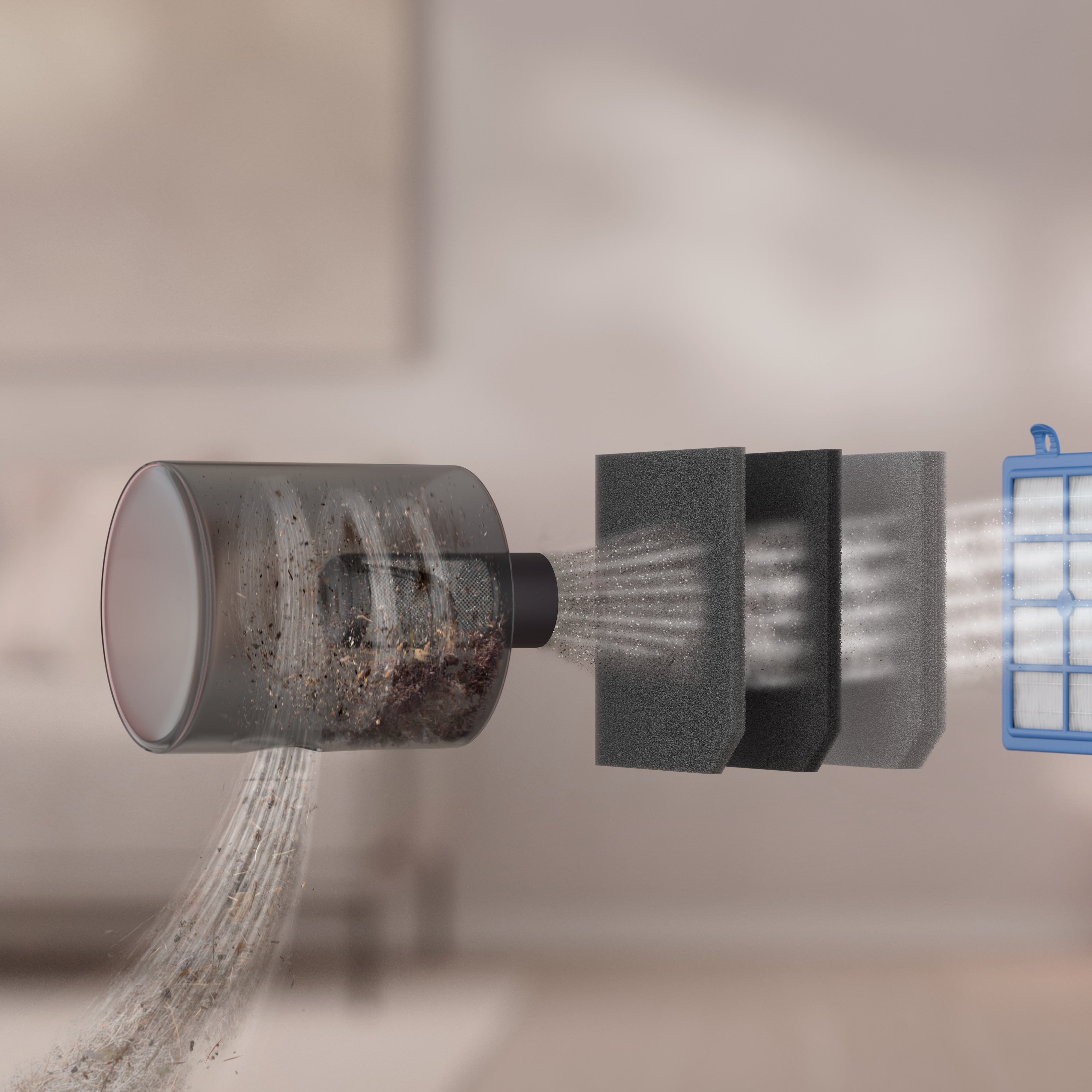
Filters trap fine dust, allergens, and particles—but they can also restrict airflow if not maintained.
To keep suction strong:
- Wash fine dust filters once a month
- Replace or clean HEPA filters every 6–12 months
- Ensure filters are completely dry before reinstalling
For best results, use compatible components designed for your appliance. You can explore our range of Electrolux official vacuum cleaner accessories to maintain optimal filtration and airflow performance.
Clean filters not only improve suction but also support better indoor air quality.
4. Inspect for blockages and internal issues
If suction remains weak, check for obstructions within:
- Hoses
- Tubes
- Internal air pathways
Even small blockages can significantly reduce airflow. Removing these obstructions often restores performance immediately.
If the issue persists, professional servicing may be required to assess internal components.
How is suction measured in a vacuum cleaner?
Suction power can be measured using several metrics:
- Air watts (AW) – Combines airflow and suction pressure; one of the most accurate indicators
- Pascal (Pa) – Measures suction pressure
- Cubic feet per minute (CFM) – Measures airflow volume
While these metrics provide technical insight, real-world performance also depends on:
- Floor type
- Nozzle design
- Maintenance condition
In short, measured power is only part of the equation—how well the vacuum is maintained matters just as much.
What is a good suction power for a vacuum cleaner?
A “good” suction power depends on your home layout, flooring type, and cleaning needs. In Malaysia, where homes often feature a mix of tiles, hardwood floors, rugs, and occasional carpets, choosing the right suction level ensures efficient cleaning without unnecessary energy use.
Rather than focusing on a single number, it’s more effective to match suction power to your usage scenario.
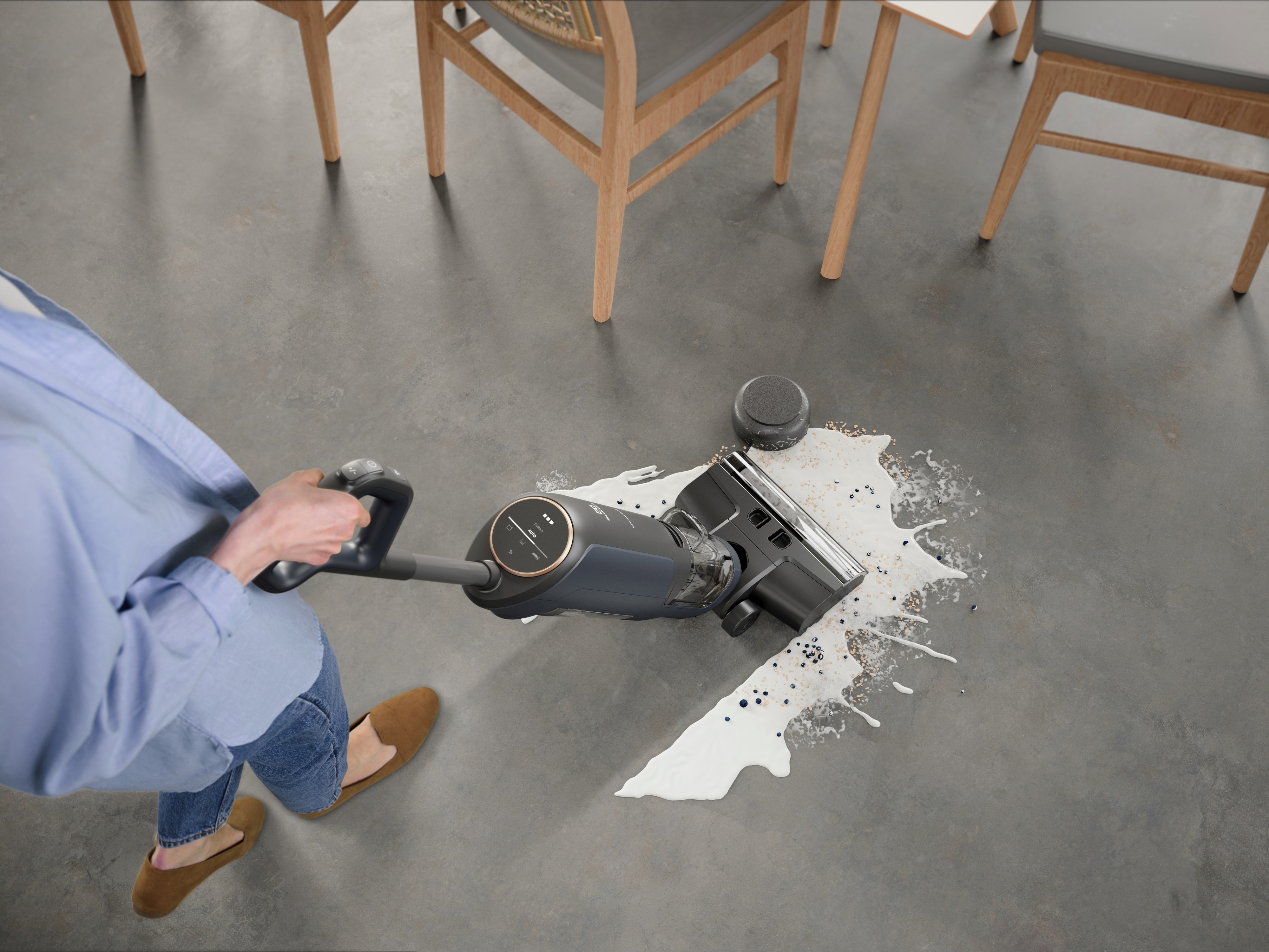
Quick guide: Recommended suction power by vacuum type
|
Vacuum Type |
Suction Power Range |
Ideal For |
|---|---|---|
|
200–400 AW / |
Mixed flooring, larger homes |
|
|
150–310 AW / |
Daily cleaning, tiles and hard floors |
|
|
30–50 AW / |
Furniture, car interiors |
|
|
3,000–8,000+ Pa |
Light, everyday maintenance cleaning |
|
|
100+ AW / |
Wet spills, deep cleaning, utility areas |
How to choose the right suction power for your home
- Apartments and condos: Cordless or robot vacuums with moderate suction (150–250 AW / 10,000–20,000 Pa) are sufficient for tile, laminate, and light daily cleaning.
- Landed homes: Canister or upright models with higher suction (200–350 AW / 20,000–30,000+ Pa) are better suited for larger spaces and multi-room cleaning
- Homes with pets: Strong suction of at least 250–350 AW / 20,000–30,000+ Pa helps remove pet hair and fine dust from floors and upholstery
- Mixed flooring (tiles + rugs): Look for adjustable suction within 150–300 AW / 15,000–30,000 Pa to switch efficiently between surfaces
Ultimately, a good vacuum cleaner balances strong suction, efficient airflow, and the right nozzle design to deliver consistent results across different surfaces.
Why maintenance is critical for suction performance
Regular maintenance is the most effective way to protect suction power over time.
A well-maintained vacuum cleaner can last up to eight years, delivering consistent performance without the need for early replacement.
Neglecting maintenance, on the other hand, leads to:
- Reduced airflow
- Lower cleaning efficiency
- Increased strain on the motor
Taking a proactive approach not only improves performance but also extends the lifespan of your appliance.
>>> Read more: 5 house cleaning tips that make your life easier
Why suction performance also depends on the right vacuum cleaner
While regular maintenance helps restore performance, consistent suction power starts with a well-designed vacuum cleaner.
Electrolux vacuum cleaners are built to deliver strong, reliable suction across different surfaces and cleaning conditions, helping you remove both fine dust and larger debris more efficiently. With advanced airflow systems and optimised nozzle design, suction remains stable throughout your cleaning—reducing the need for repeated passes.
To keep your vacuum performing at its best, Electrolux also offers professional support and repair services for vacuum cleaner. From filter care to technical servicing, our experts help ensure your appliance continues to deliver optimal suction over time.
Discover our range of Electrolux vacuum cleaners available on our website!

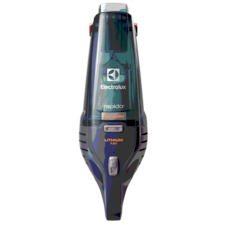
-
- 2-in-1 handheld for cleaning hard-to-reach areas.
- 180° EasySteer for manoeuvrability on all floors.
- 30 minutes* run-time for quick or deep cleaning.
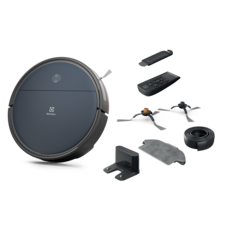
-
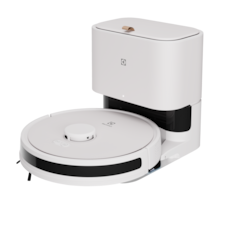
- Up to 4000Pa* suction on fine to large particles².
- Thoroughly clean hard floors with integrated mop.
- Lidar maps home to optimise cleaning efficiency.
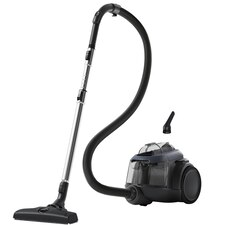
-
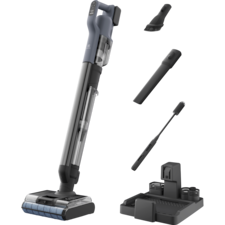
- 2-in-1 cleaning
- An exceptional wet and dry cleaning performance.
- TriAction nozzle removes up to 99%* dry debris.
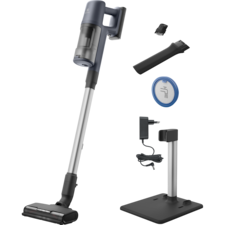
-
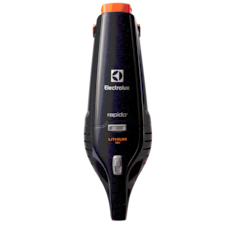
- TurboPower battery for high performance, longer.
- Easy reach nozzle cleans hard-to-reach places.
- Soft Steer wheels ensure precise handling.
FAQ about vacuum cleaner suction power
-
1. Why does my vacuum cleaner lose suction over time?
The most common causes include full dust containers, clogged filters, or blocked hoses. Regular maintenance helps prevent these issues.
-
2. How often should I clean my vacuum filters?
Wash fine dust filters monthly and replace HEPA filters every 6–12 months, depending on usage.
-
3. Can a full dust bag reduce suction power?
Yes. A full dust bag restricts airflow, significantly reducing suction and cleaning efficiency.
-
4. Does higher wattage mean better suction?
Not necessarily. Suction performance depends on airflow design, filtration, and overall system efficiency, not just wattage.