


Keeping your home spotless shouldn’t feel like a chore. When deciding between purchasing a robot vacuum vs cordless vacuum, the better choice depends on how and where you clean. In this guide we’ll be comparing convenience, cleaning power, versatility, and taking your home layout into consideration to help you make the decision easier.
Quick comparison: Robot vacuum vs cordless vacuum
A robot vacuum vs cordless vacuum comparison comes down to automation versus hands-on versatility. Robot vacuums are designed primarily for scheduled floor maintenance, while cordless vacuums give you direct control over where, when, and how thoroughly you clean.
|
Feature |
Robot vacuum |
Cordless vacuum |
|---|---|---|
|
Primary use |
Daily automated maintenance |
Deep cleaning and spot cleaning |
|
Battery life |
Varies; often around 90–180 minutes with automatic recharging |
Typically around 20–60 minutes of active use |
|
Effort required |
Minimal; can run on a schedule |
Requires active, manual cleaning |
|
Suction power |
Designed primarily for regular floor maintenance |
Typically suited to more intensive, targeted cleaning |
|
Versatility |
Primarily floors |
Floors, stairs, upholstery, cars, and other surfaces with suitable attachments |
|
Smart features |
May include app control, mapping, scheduling, and auto-emptying |
May include dust sensing, automatic suction adjustment, and displays |
|
Maintenance |
Regular brush, sensor, dustbin, and filter care |
Regular dustbin, brush, and filter care |
What are the pros and cons of a robot vacuum?
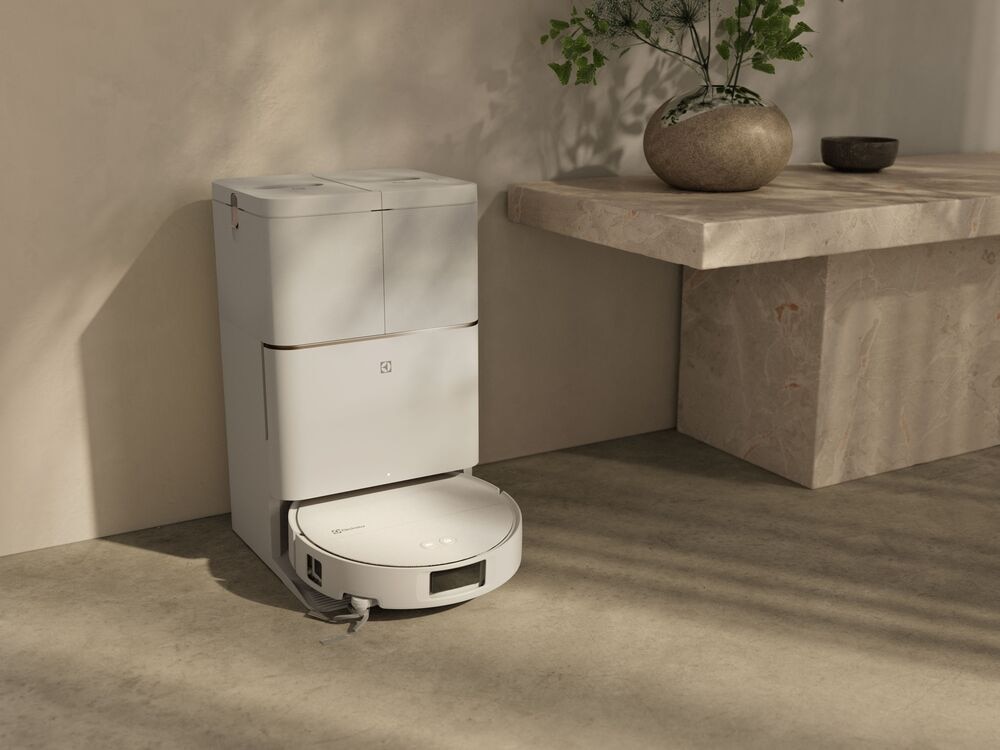
Understanding the main robot vacuum pros and cons can help you decide whether automated cleaning suits your routine.
Pros
- Hands-free cleaning: A robot can run according to a schedule without requiring you to vacuum manually.
- Consistent maintenance: Regular runs help control everyday dust, crumbs, debris, and pet hair between deeper cleans.
- Easy access under furniture: Its low-profile design can reach beneath many beds, sofas, and cabinets.
- Smart cleaning features: Depending on the model, mapping and app controls can help you manage cleaning areas and schedules.
Cons
- Limited reach: Robots cannot clean stairs, upholstery, and many narrow or elevated spaces.
- Ongoing maintenance: Brushes, filters, wheels, dustbins, and mapping sensors require regular attention.
- Dock dependency: The charging dock needs a consistent location with access to power and enough surrounding space for reliable navigation.
Read more:
- How to clean fabric sofa effectively with a vacuum cleaner
- How to Vacuum a Car Interior: Step-by-Step Guide
What are the pros and cons of a cordless vacuum?
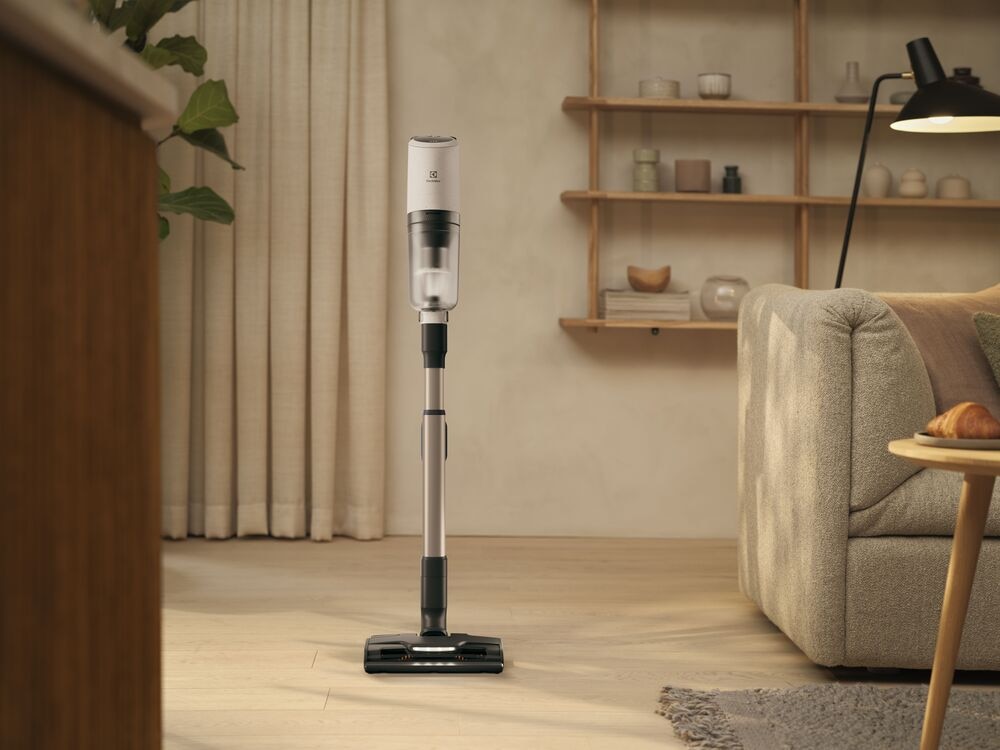
The main cordless vacuum advantages are flexibility and direct control over your cleaning.
Pros
- Versatile reach: Cordless models can clean floors, stairs, corners, upholstery, and other areas when used with suitable attachments.
- Targeted cleaning: You can immediately tackle crumbs, tracked-in dirt, pet hair, and other concentrated messes.
- Hands-on control: You decide exactly which areas need extra attention without relying on mapping or scheduled routines.
- Flexible movement: With no power cord to manage, moving between rooms and surfaces is straightforward.
Cons
- Manual effort: Every cleaning session requires someone to operate the vacuum.
- Limited runtime: Battery capacity determines how long you can clean before recharging.
- Frequent upkeep: Dustbins may need emptying and brushes and filters require routine maintenance, particularly after heavier cleaning.
Robot vacuum or cordless stick vacuum: Which fits your lifestyle best?
The cordless vs robot vacuum decision becomes easier when you consider your household and cleaning habits.
Pet owners
For households looking for the best vacuum for pet hair, both formats can play different roles. A robot vacuum can collect daily shedding before fur accumulates, although larger clumps may require more attention.
A cordless vacuum with a suitable motorised brush head can provide more targeted cleaning of pet hair on carpets, furniture, stairs, and other surfaces.
Busy professionals
Robot vacuums are particularly useful as a daily maintenance vacuum because they can clean according to a schedule while you work, relax, or are away from home. They suit households where reducing hands-on cleaning time is the priority.
Multi-level homes with stairs
For the best vacuum cleaner for a multi story house, portability matters. A robot vacuum generally cleans one level at a time unless it is manually moved between floors.
A lightweight cordless vacuum can be carried between levels and used directly on staircases, making it a practical option for homes with several storeys.
Small apartments or studios
When considering a robot vacuum vs cordless vacuum for a small apartment, both can work well. A robot suits compact, single-level spaces where it can navigate easily. A wall-mounted cordless vacuum can save storage space while providing one appliance for floors, furniture, corners, and other tight areas.
Allergy sufferers requiring deep cleans
For thorough cleaning, a cordless vacuum with strong suction and an effective filtration system, such as HEPA filtration on applicable models, can help capture fine dust and allergens.
Whichever format you choose, regular filter maintenance is important for maintaining cleaning performance. See our comprehensive guide on how to clean a vacuum cleaner for optimal performance.
Households with mixed flooring
Both types of vacuums can work effectively across suitable hard floors. Homes with thicker carpets or rugs may benefit from the direct control and targeted cleaning of a cordless vacuum, while a robot can provide regular maintenance across compatible floor surfaces.
Read more:
Do you need both a robot vacuum and cordless vacuum?
You do not necessarily need both, but the two appliances can complement each other effectively.
A robot vacuum can handle regular background cleaning, collecting everyday dust, crumbs, and pet hair with minimal intervention. A cordless vacuum can then take care of deeper cleans, stairs, upholstery, corners, and sudden messes.
This combination can be particularly useful in larger households or homes with children and pets, where floors accumulate debris quickly. Rather than asking can a robot vacuum replace a normal vacuum, it can be more useful to consider whether automated maintenance could reduce how often you need to perform a full manual clean.
Elevate your cleaning routine with Electrolux vacuums
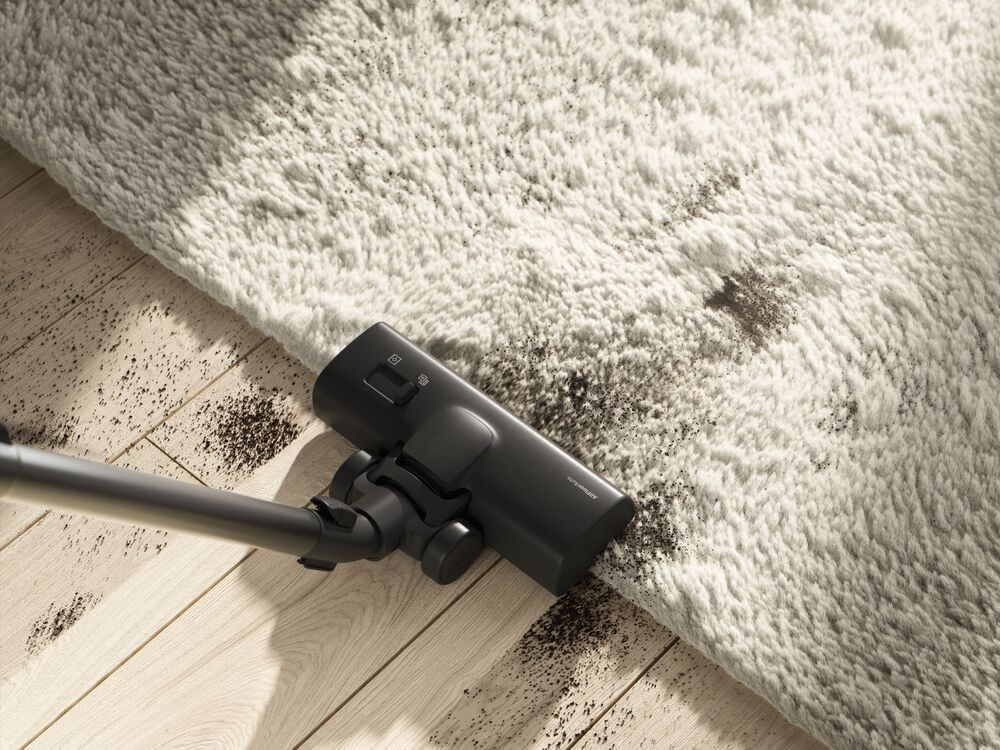
From convenient everyday maintenance to targeted cleaning when and where you need it, Electrolux floor care solutions are designed to make home cleaning easier.
Explore the Electrolux vacuum range to discover cleaning solutions designed around reliable performance, practical features, and thoughtful design for different surfaces, spaces, and household routines.

-
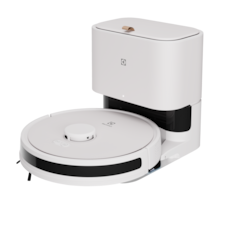
- The 800 Robot Vacuum Cleaner does the cleaning for you.
- All-in-1 station with auto-dust emptying and self-cleaning.
- With HyperSuction technology, the robot cleans your floors.
-
- Up to 4000Pa* suction on fine to large particles².
- Thoroughly clean hard floors with integrated mop.
- Lidar maps home to optimise cleaning efficiency.
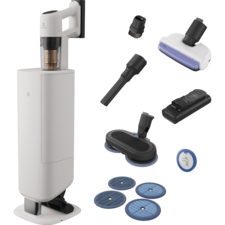
-
- All-in-1 Station takes ease of maintenance to a new level.
- Hard Floor nozzle - up to 100%* of dust pickup
- More than charging, the All-in-1 Station automatically empties dust bin which helps maintaining performance.
Explore our canister vacuum cleaners and wet and dry vacuum cleaners for your home.
Read more: Robot vacuum and mop guide: Benefits, limitations, and suitable floors
FAQs about robot vacuums for tile and hard floors
Are robot vacuums as powerful as cordless vacuums?
Not necessarily. Robot vacuums are designed primarily for frequent automated floor maintenance, while cordless vacuums give you direct control for more intensive and targeted cleaning.
Can a robot vacuum replace a cordless vacuum?
For some everyday floor cleaning, it can reduce the need for manual vacuuming. However, a robot cannot clean stairs, furniture, and many tight or elevated spaces, so it may not fully replace a cordless vacuum.
Which is better for pet hair: robot vacuum or cordless vacuum?
Robot vacuums are useful for collecting regular shedding from floors. Cordless vacuums can provide more targeted pet-hair cleaning on carpets, stairs, furniture, and difficult-to-reach areas.
Do robot vacuums work well on carpets and rugs?
Many can clean suitable low-pile carpets and rugs. Performance on thicker or high-pile surfaces varies by model, so check the manufacturer's recommended floor types.
Is it worth buying both a robot vacuum and a cordless vacuum?
It can be, particularly for busy households, larger homes, and homes with pets or children. A robot can handle routine floor maintenance while a cordless vacuum provides flexible, targeted cleaning when required.
Do robot vacuums scratch floors?
Robot vacuums are generally designed to move safely across compatible hard floors. However, grit or small debris caught in the wheels or brushes could potentially mark delicate surfaces. Keep the vacuum clean and check that your model is suitable for your flooring.
Should I buy a robot vacuum or a cordless vacuum?
Choose a robot vacuum if you want automated daily floor cleaning with minimal effort. Choose a cordless vacuum if you prefer more control and need to clean stairs, furniture, corners, and targeted messes. For busy households, having both can cover different cleaning needs.
Is a robot vacuum or cordless vacuum better for a small apartment?
Both can suit small apartments. A robot vacuum is useful for automated cleaning in an uncluttered, single-level space, while a compact cordless vacuum can clean floors, furniture, and tight spaces with one appliance. Consider whether automation or versatility matters more to you.
Can a robot vacuum replace a normal vacuum?
A robot vacuum can reduce the amount of routine floor cleaning you need to do, but it may not replace a regular vacuum completely. Stairs, upholstery, corners, thick carpets, and deeper cleaning may still require a cordless or traditional vacuum.
What is the best vacuum cleaner for a multi-storey house?
A cordless vacuum is often a practical choice for a multi-storey home because it can be carried between floors and used directly on stairs. A robot vacuum can still be useful for automated floor maintenance, but it usually needs to be moved manually between levels unless you use more than one unit.
Read more: Can robot vacuums clean tiles & hard floors effectively?