


Yes, robot vacuums can clean tile and hard floors effectively, particularly when used for regular upkeep. A robot vacuum for hard floors can pick up everyday dust, crumbs and pet hair with little effort, while models with mopping can also tackle light marks. The best results depend on your flooring, the robot’s cleaning features and regular maintenance.
Why should you use a robot vacuum for tiles and hard floors?
Hard floors may be easier to vacuum than thick carpet, but dust, crumbs and hair quickly become noticeable on a smooth surface. A robot vacuum helps by cleaning regularly, rather than waiting for dirt to build up.
Daily cleaning with less effort
Instead of finding time to vacuum every time crumbs appear in the kitchen or dust gathers across the floor, you can schedule a robot vacuum to clean automatically. This makes it easier to fit floor care around work, family and everyday life, while still keeping visible debris under control.
Well suited to hard-floor surfaces
Smooth surfaces allow a robot to move freely and collect loose dust, crumbs, hair and other debris, making a robot vacuum for tile floors particularly useful for everyday maintenance. Because dirt is often more noticeable on hard flooring, frequent cleaning can help rooms look and feel cleaner without waiting for a full-house cleaning session.
Consistent cleaning across the home
Regular cleaning routes help maintain frequently used rooms, from kitchens and living areas to hallways and bedrooms. Instead of focusing only on areas where dirt has already become visible, scheduled cleaning can help prevent dust and debris from building up in the first place.
Less day-to-day floor maintenance
Keeping on top of loose dirt means there is often less to tackle when you do clean manually. A robot vacuum will not remove the need for occasional deeper cleaning, but it can take care of much of the repetitive upkeep between.
Read more:
- How to clean fabric sofa effectively with a vacuum cleaner
- How to Vacuum a Car Interior: Step-by-Step Guide
How well do robot vacuums clean different hard floor types?
Not every hard floor behaves in exactly the same way. A smooth porcelain tile, for example, presents a different cleaning challenge from textured stone or recessed grout.
|
Floor type |
Robot vacuum suitability |
Key consideration |
|---|---|---|
|
Ceramic / porcelain tile |
Very suitable |
Look for effective edge cleaning and mopping |
|
Hardwood |
Suitable |
Avoid excessive moisture when mopping |
|
Laminate |
Suitable |
Use controlled moisture levels |
|
Vinyl |
Very suitable |
Regular vacuuming helps collect visible fine dust |
|
Stone |
Suitable |
Texture and joins may affect debris pickup |
|
Grout lines |
Moderate |
Deep or uneven grout can retain dirt |
Can robot vacuums mop tile floors effectively?
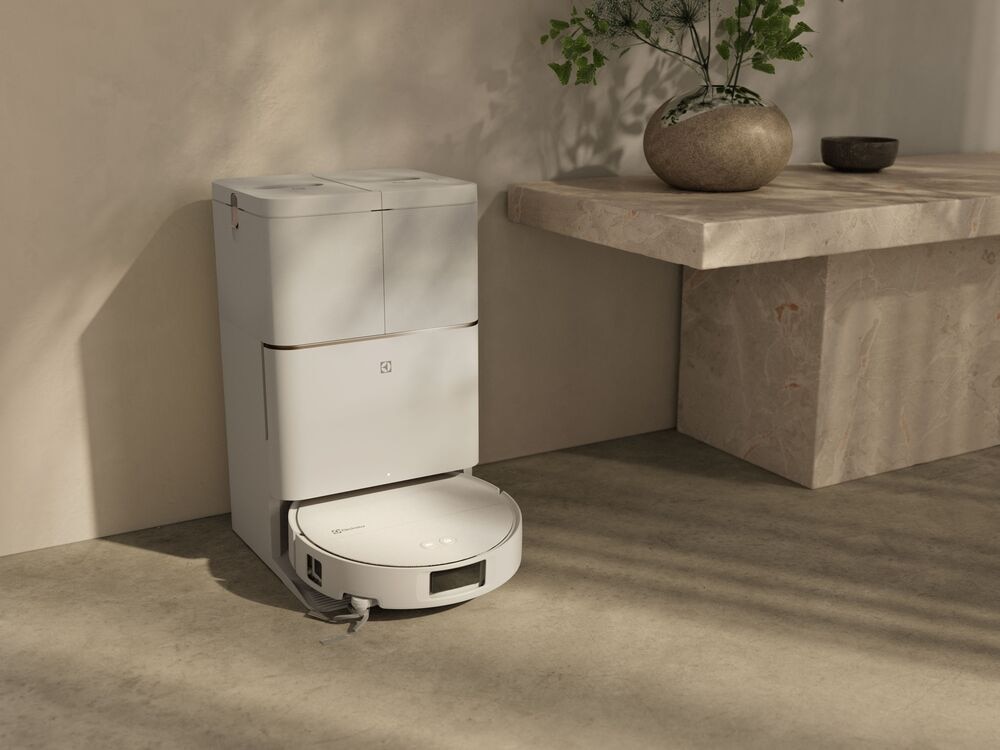
Yes absolutely, for everyday maintenance. A robot mop for tiles can help clear fine dust, footprints and light kitchen marks from suitable sealed flooring, making it easier to keep tiles looking clean between deeper mops.
The important distinction is that not every robot mops in the same way. Performance depends on how much pressure the pad applies, how evenly water is controlled, how the mop moves across the floor and whether the robot covers the room systematically. If you have both tiles and carpet, look for a model that can recognise carpet and lift its mop pad before crossing onto it. Check out our guide on how to clean your carpet.
Read more:
What features matter most in a robot vacuum for hard floors?
The best robot vacuum for hard floors is not simply the model with the longest feature list. The most useful features are the ones that make everyday cleaning more thorough, consistent and convenient for the surfaces and messes in your home.
Strong but controlled suction
Effective suction helps pick up fine dust, crumbs, pet hair and debris from smooth floors and joins before they spread around the home. On hard floors, where dust and hair can move easily with footsteps or airflow, reliable suction helps keep visible debris under control between deeper cleans.
Effective brush design
A well-designed main brush helps guide debris into the vacuum instead of pushing or scattering it across a smooth floor. Side brushes also reach towards skirting boards, furniture legs and edges, helping reduce the amount of follow-up cleaning you need to do manually.
Mopping capability
For homes with mostly tile, vinyl or other suitable sealed hard flooring, mopping adds another layer of everyday maintenance. A robot vacuum and mop can pick up loose debris and help wipe away fine dust, footprints and light marks in the same cleaning routine, saving you from reaching for the mop as frequently.
Smart navigation
Good navigation is valuable because it helps the robot clean systematically rather than moving around the room at random. More consistent coverage means fewer missed patches, less unnecessary repetition and a better chance of keeping the whole floor maintained and not just the easiest areas for the robot to reach.
Floor and obstacle detection
A home rarely consists of one completely clear, uniform surface. Detection systems can help a robot respond to different compatible flooring and navigate around furniture and everyday household objects. This makes automated cleaning more practical because the robot can require less intervention as it moves around the home.
Pet-hair performance
Pet hair can become noticeable quickly on hard floors and often gathers around walls, furniture and other edges. For homes with cats or dogs, strong suction, effective edge cleaning and anti-tangle brush features can help collect shedding more regularly while reducing hair wrapped around the brush. Frequent automated cleaning also helps tackle pet hair before larger clumps have time to accumulate.
Read more:
- Robot vacuum and mop guide: Benefits, limitations, and suitable floors
- Can robot vacuums clean tiles & hard floors effectively?
Do robot vacuums work well for pet hair on hard floors?
Pet hair has a habit of travelling. On smooth floors, it can gather under furniture, around chair legs and along skirting boards before you notice it.
A robot vacuum for pet hair on hard floors can help by cleaning frequently, before loose hair has time to accumulate. Look for strong suction, effective side brushes, anti-tangle brush features and flexible scheduling.
You may still need occasional manual cleaning around tight corners, furniture legs and other areas the robot cannot fully reach.
Can robot vacuums clean grout lines and corners?
Robot vacuums can pick up loose particles from around tile joins, while side brushes help move debris away from walls and edges towards the vacuum.
The limitation is depth. Recessed grout can hold dirt below the reach of standard brushes and mop pads, while very tight corners can also be difficult to reach.
For heavily stained grout, manual scrubbing or a suitable specialised cleaning method may still be necessary. Regular robot cleaning can instead help reduce everyday build-up between those deeper cleans.
How to Get Better Results on Tile and Hard Floors with a Robot Vacuum
Even a capable robot will perform better when its route is clear and its cleaning components are properly maintained.
- Prepare the floor before cleaning: Pick up cables, toys and small objects that could interrupt the robot’s route. Check for larger or sharp pieces of debris that could become caught in the wheels or brushes.
- Optimise your cleaning routine: Run the robot regularly rather than waiting for dirt to become visible. Consider extra passes through kitchens, entrances and other high-traffic areas, and use an appropriate water level for your flooring when mopping.
- Keep the robot clean: Empty the dustbin regularly and remove accumulated dirt or hair from the main brush, side brushes and wheels. Keep sensors clean and wash or replace mop pads according to the manufacturer’s recommendations. See our comprehensive guide on how to clean a vacuum cleaner for optimal performance.
- Handle deep cleaning separately: Treat dried spills, stubborn marks and heavily stained grout separately when needed. A robot is most effective as a way to maintain floors between more thorough manual cleans.
Electrolux robot vacuum cleaners for everyday hard-floor cleaning
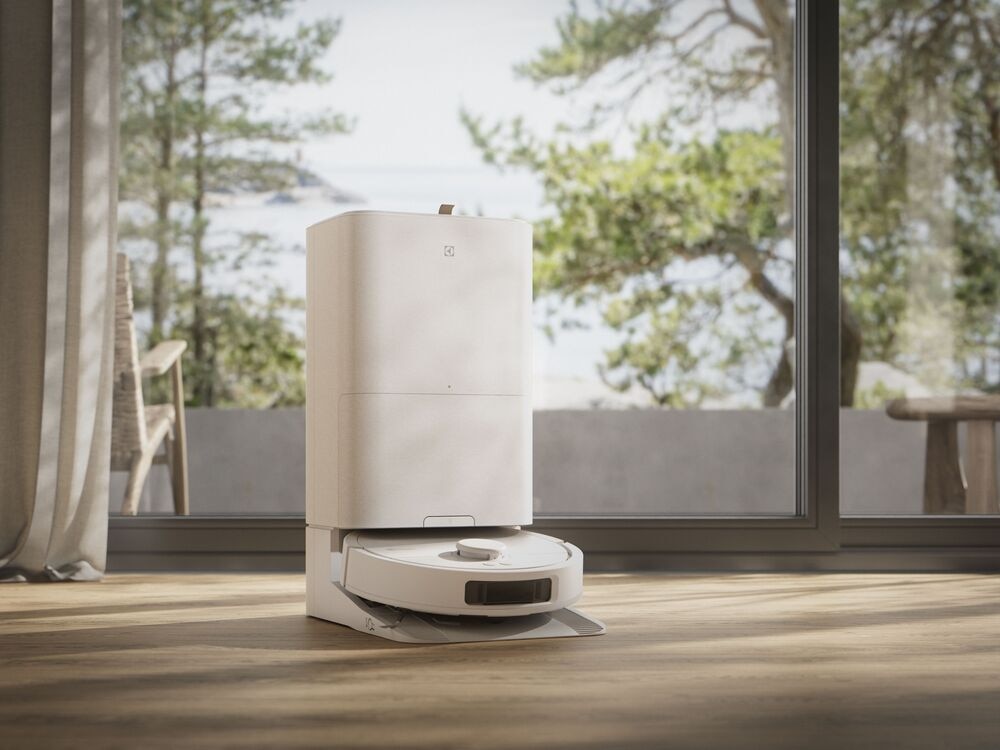
Make regular floor care easier with Electrolux robot vacuum cleaners. Designed to bring greater convenience to everyday cleaning, robot vacuum solutions can help manage dust, debris and daily mess across compatible hard-floor surfaces.
Explore Electrolux robot vacuum cleaners, learn what to consider when choosing a robot vacuum for a home with pets, or discover how to choose the right vacuum cleaner for your home.

-
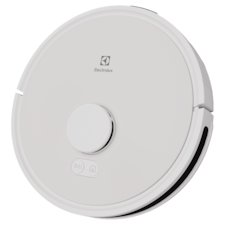
- The 800 Robot Vacuum Cleaner does the cleaning for you.
- All-in-1 station with auto-dust emptying and self-cleaning.
- With HyperSuction technology, the robot cleans your floors.
-
- Up to 4000Pa* suction on fine to large particles².
- Thoroughly clean hard floors with integrated mop.
- Lidar maps home to optimise cleaning efficiency.
-
- Up to 4000Pa* suction on fine to large particles².
- Thoroughly clean hard floors with integrated mop.
- Lidar maps home to optimise cleaning efficiency.
Explore our vacuum cleaner collection, including cordless vacuum cleaners, canister vacuum cleaners and wet and dry vacuum cleaners for your home.
FAQs about robot vacuums for tile and hard floors
Do robot vacuums work well on tile floors?
Yes. Tile is generally well suited to robot vacuuming because its hard surface allows the robot to move easily while collecting loose dust, crumbs and hair.
Can robot vacuums clean grout lines?
They can collect loose debris from around grout lines, but deeply recessed or stained grout may still require manual scrubbing.
Can robot vacuums mop ceramic and porcelain tiles?
Robot vacuum-and-mop models can generally mop suitable sealed ceramic and porcelain tiles. Follow both the appliance and flooring manufacturer’s care instructions.
Do robot vacuums scratch hardwood floors?
Robot vacuums are generally suitable for compatible hardwood floors, but trapped grit or debris could potentially mark delicate surfaces. Keep the wheels and brushes clean and follow your flooring manufacturer’s care guidance. Learn more about how to clean hardwood floors.
Are robot vacuums good for homes with mostly hard floors?
Yes. Homes with mostly tile, vinyl, laminate or compatible sealed wood flooring can be particularly well suited to robot vacuums because frequent automated cleaning helps control everyday surface debris.
Can a robot vacuum replace manual cleaning on hard floors?
Not completely. A robot vacuum can significantly reduce routine floor cleaning, but corners, stubborn stains, recessed grout and occasional deep cleaning may still need manual attention.