


A robot vacuum and mop is best suited to regular maintenance on hard floors such as tile, laminate, sealed hardwood, and vinyl. It can also vacuum low-pile carpet, although mopping should be avoided on carpet unless the device can automatically lift its mop pad. These appliances reduce everyday cleaning effort, but they still require maintenance and cannot completely replace periodic deep cleaning.
What is a robot vacuum and mop?
A robot vacuum and mop is an autonomous floor-cleaning appliance that combines vacuum suction and a dustbin with a water tank and mop pad. It can follow a cleaning schedule or be controlled through an app, depending on the model.
Some all-in-one models vacuum and mop during the same cleaning cycle. Modular designs instead require you to swap components, such as replacing the dustbin or vacuuming attachment with a water tank and mop module.
Robot Vacuum and mop benefits and limitations
Understanding the main robot vacuum and mop benefits alongside its drawbacks makes it easier to decide whether this type of cleaner suits your home.
|
Aspect |
Benefit |
Limitation |
|---|---|---|
|
Daily effort |
Runs on a schedule with little active effort |
Requires emptying, refilling, and cleaning of pads, brushes, and sensors |
|
Cost |
Entry-level models can provide convenient basic upkeep |
More advanced models cost more, with ongoing expenses for consumable parts and cleaning solution where required |
|
Floor coverage |
Can vacuum and mop suitable mixed flooring during a cleaning cycle |
High-pile carpet can be difficult to navigate and should not be mopped |
|
Cleaning depth |
Provides reliable everyday maintenance between deeper cleans |
Cannot always match a full-size vacuum on heavy dirt or thick carpet |
|
Floor safety |
Adjustable suction and water levels can help protect suitable hard floors |
Incorrect settings or trapped debris may scratch floors, while excess moisture can damage some hardwood |
Benefits
- Automated cleaning: Runs on a schedule, reducing the amount of active daily cleaning required.
- Two-in-one convenience: Combines vacuuming and mopping, particularly useful in homes with hard or mixed flooring.
- Consistent maintenance: Frequent cleaning helps limit everyday dust, debris, and allergen build-up between deeper cleans.
- More automation: Premium models may offer conveniences such as self-emptying dustbins and self-washing mop pads.
Limitations
- Purchase and running costs: Expect an upfront investment plus replacement mop pads, rollers, filters, and suitable cleaning solution where applicable.
- Regular maintenance: Bins, tanks, brushes, mop pads, wheels, and sensors still need hands-on attention.
- Limited deep cleaning: Robot cleaners generally cannot match a full-size vacuum for heavily soiled or thick carpet.
- Floor-care risks: Incorrect water or suction settings, or debris trapped beneath the cleaner, may damage sensitive surfaces.
Read more:
Which floors work best with a robot vacuum and mop?
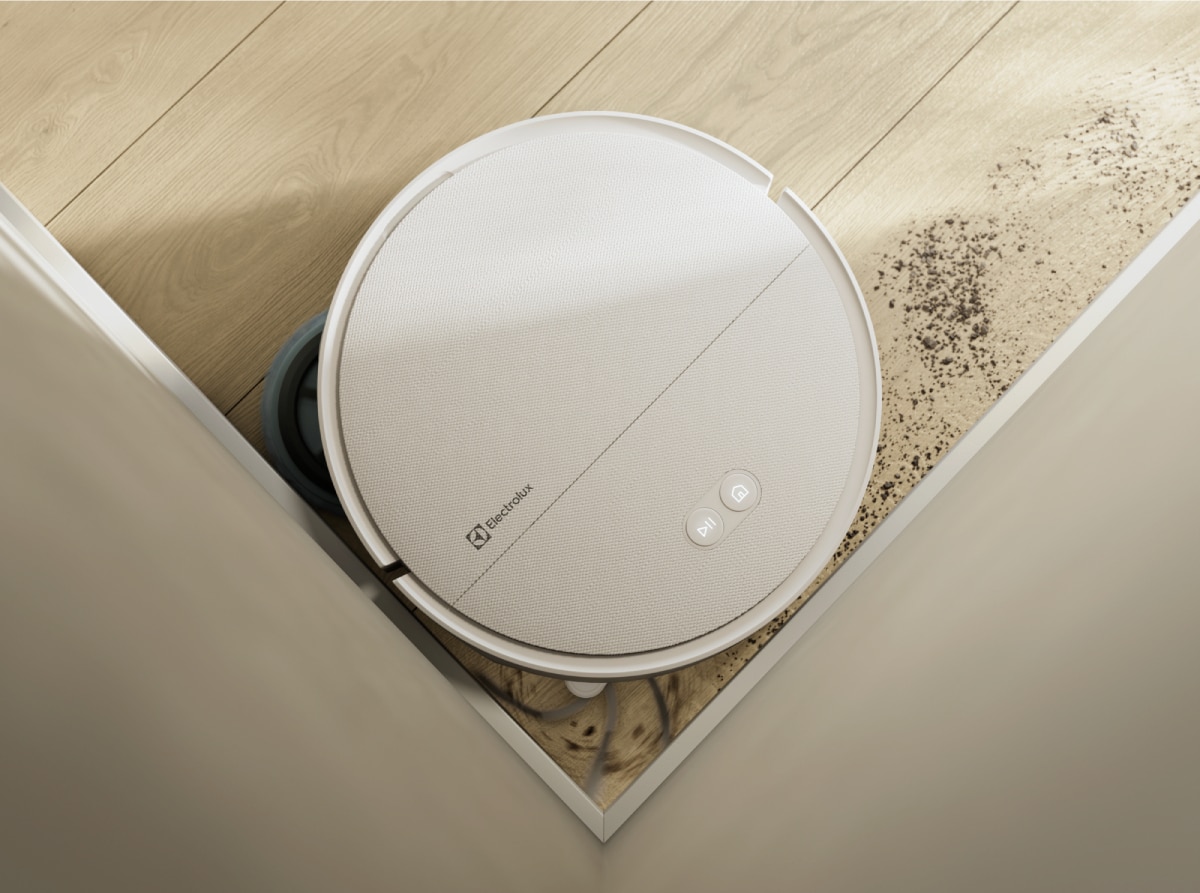
The best floors for a robot vacuum and mop tend to be smooth, hard surfaces, although some models can also handle low-pile carpet effectively.
Tile and laminate
A robot vacuum and mop for tile floors is a particularly practical combination. Tile is generally smooth and water-resistant, allowing the vacuum to collect loose debris before the mop tackles light marks and surface dirt. Regular cleaning can also help prevent debris accumulating around grout lines.
Laminate is similarly easy for robots to navigate, although you should always follow the flooring manufacturer's guidance on moisture and cleaning methods.
Hardwood
Do robot vacuums scratch hardwood floors? They should generally be suitable for sealed hardwood when used correctly, but floor condition and device settings matter.
Look for controlled water flow and settings appropriate for delicate flooring. Keep wheels and brushes free from grit that could be dragged across the surface, and avoid steam-mopping functions on hardwood. Good obstacle detection can also reduce the risk of the robot pushing or dragging objects that could mark the finish.
Unsealed or moisture-sensitive hardwood requires greater caution.
Vinyl
Vinyl is typically well suited to robot vacuuming and mopping. Its smooth surface makes navigation straightforward, while regular vacuuming can remove loose dust and debris before mopping.
As with any flooring, follow the manufacturer's care instructions and avoid excessive water.
Low-pile carpet
Using a robot vacuum and mop on carpet requires the right features. Most models can vacuum low-pile carpet, but the mop should not leave the carpet damp.
For homes combining carpet and hard flooring, consider a model with automatic carpet detection and the ability to lift or otherwise disengage the mop when it reaches carpet.
High-pile or deep-pile carpet
Thick and deep-pile carpets are less suitable. Robot cleaners can struggle to move through long fibres, and the mop function should avoid carpet altogether.
A conventional vacuum remains a more appropriate option when deep cleaning thick carpet.
Homes with mixed flooring
For homes containing both hard floors and carpet, automatic floor detection can make everyday cleaning easier. Look for a robot that can adapt suction to different surfaces and lift or disengage its mop when transitioning onto carpet.
Read more:
- Robot vacuum vs cordless vacuum: Which is better for your home?
- Can robot vacuums clean tiles & hard floors effectively?
Is a robot vacuum and mop worth it for your home?
Whether a robot vacuum and mop is worth it depends mainly on your flooring and expectations.
It can be a strong daily-maintenance companion for homes with mostly hard floors and households that regularly deal with dust, crumbs, pet hair, or other everyday debris. Frequent automated cleaning may also appeal to households wanting to limit dust build-up between deeper cleans. Explore our tips on using robot vacuum cleaners for pet owners.
However, a robot works best as part of a broader cleaning routine. You may still need a full-size vacuum or mop for deep cleaning, stairs, corners, stubborn dirt, and surfaces the robot cannot reach.
Read more:
- How to clean fabric sofa effectively with a vacuum cleaner
- How to use a vacuum cleaner
- How to clean a vacuum cleaner
Keep your floors spotless with Electrolux
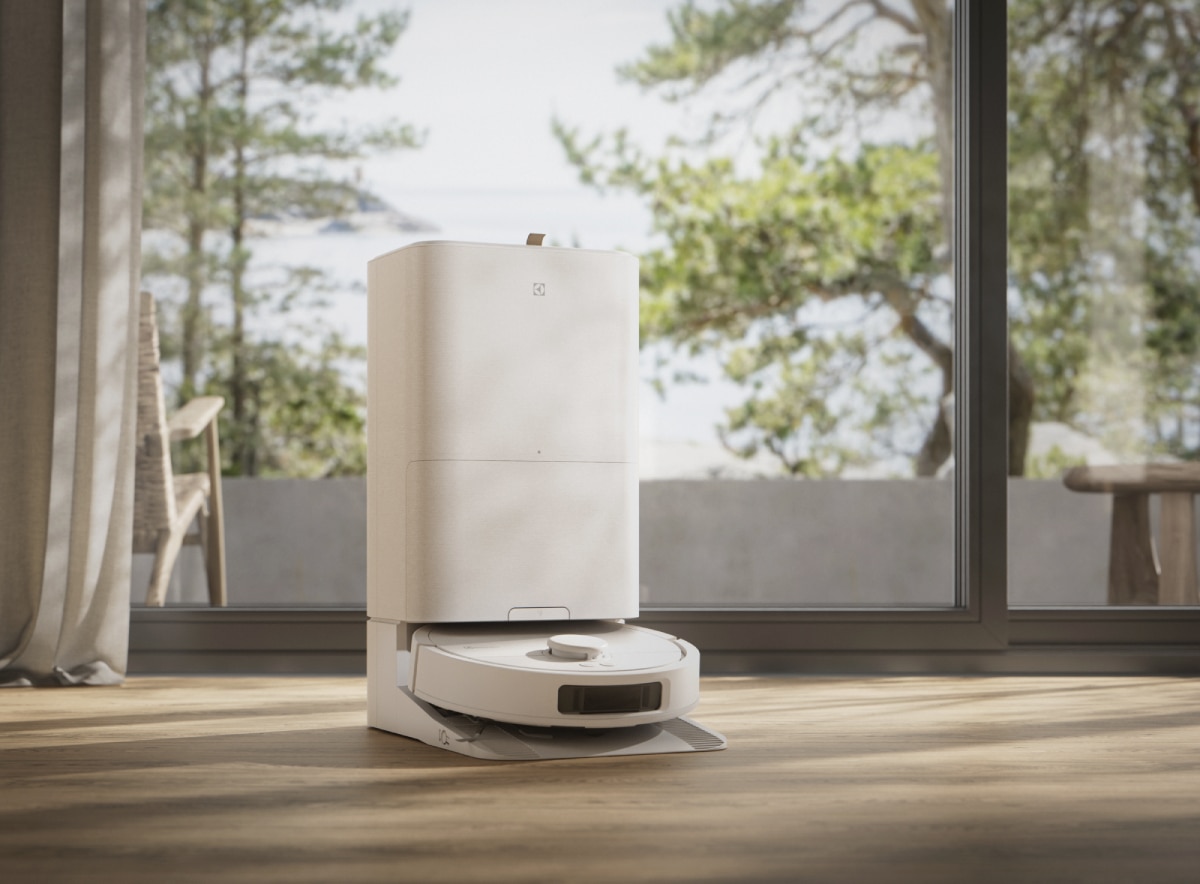
Make everyday floor care easier with the Electrolux range of floor-cleaning solutions. A robot vacuum and mop can provide convenient, regular cleaning while helping you maintain different surfaces around your home. Discover our collection of robot vacuum cleaners today!
Explore Electrolux vacuum cleaner options, including cordless vacuum cleaners, canister vacuum cleaners, and wet and dry vacuum cleaners, to find a cleaning solution suited to your flooring, household needs, and preferred level of everyday convenience.

-
- The 800 Robot Vacuum Cleaner does the cleaning for you.
- All-in-1 station with auto-dust emptying and self-cleaning.
- With HyperSuction technology, the robot cleans your floors.
-
- Up to 4000Pa* suction on fine to large particles².
- Thoroughly clean hard floors with integrated mop.
- Lidar maps home to optimise cleaning efficiency.
Consider your flooring, cleaning habits, pets, and maintenance preferences, then explore the complete Electrolux floor care range to find a solution that suits your home.
FAQs about robot vacuum and mop guides
Do robot vacuums and mops scratch hardwood floors?
They can generally be used on sealed hardwood when the model and settings are suitable. Keep wheels and brushes free from grit, use controlled water levels, and follow your flooring manufacturer's care instructions.
Read more: How to clean hardwood floors: A comprehensive guide
Can a robot vacuum and mop replace regular mopping?
Not entirely. It is useful for routine maintenance and light marks, but periodic manual cleaning may still be needed for stubborn dirt, edges, corners, and deeper cleaning.
Are robot vacuum and mop combos safe to use on carpet?
They can vacuum suitable carpets, but carpet should generally not be mopped. For mixed floors, look for carpet detection and a mop-lifting or mop-avoidance function.
How often do you need to clean or maintain a robot vacuum and mop?
Robot vacuum and mop maintenance should be performed regularly. Empty the dustbin, refill or clean the water system as required, wash or replace mop pads, remove hair from brushes, and keep wheels and sensors clean according to the manufacturer's instructions.
Is a robot vacuum and mop worth the extra cost over a vacuum-only robot?
It can be if your home has substantial hard flooring and you want both vacuuming and light mopping automated. For homes dominated by carpet, a vacuum-only robot may offer more relevant functionality.