


Knowing how to wash baby clothes properly is essential for keeping your baby’s delicate skin safe from irritation. In Thailand’s humid climate, baby clothes can easily trap moisture, bacteria, and detergent residue if not washed and dried correctly.
While some parents may worry about using a washing machine, washing baby clothes this way is actually more hygienic and efficient when done right. By using a gentle baby laundry detergent and the appropriate wash settings, you can ensure clothes are thoroughly cleaned while remaining soft and safe for everyday wear.
With a few simple steps, you can confidently keep your baby’s clothes fresh, clean, and ready for daily use—without compromising on care or convenience.
Should you wash baby clothes before every first use?
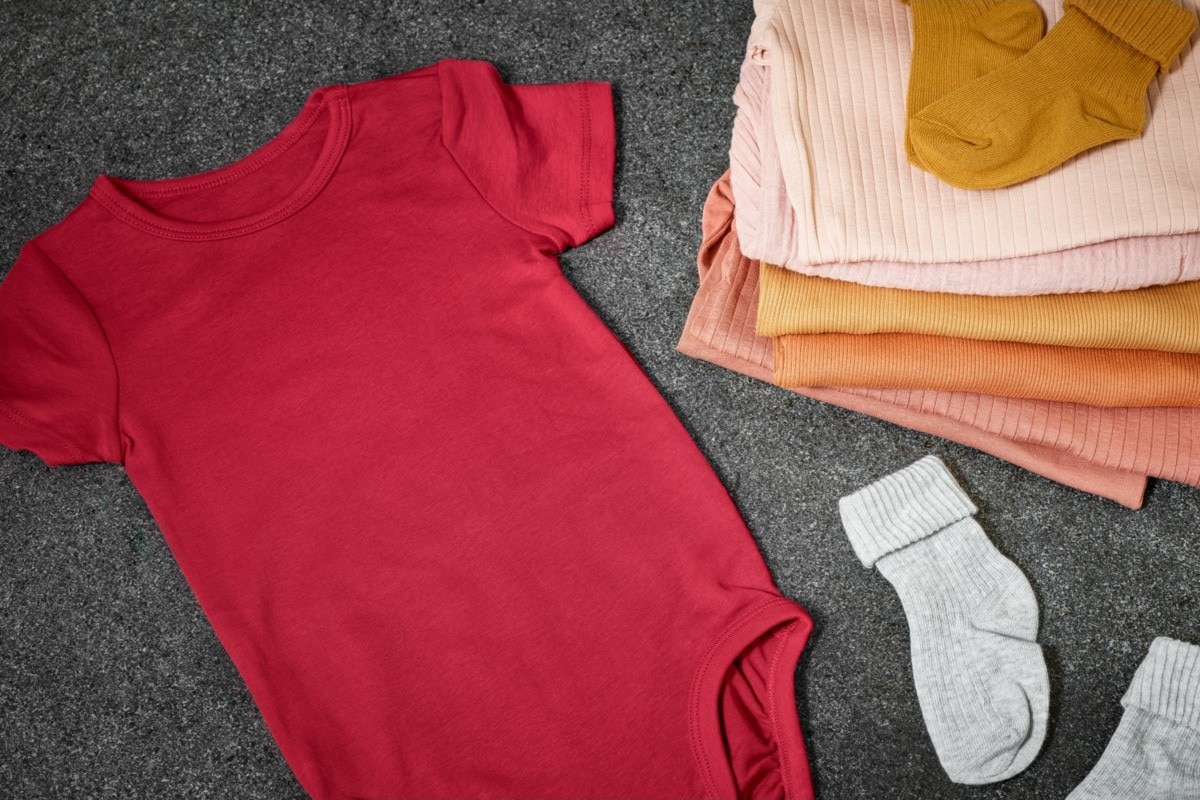
When you bring new clothes home for your baby, you might wonder whether it's necessary to wash them before the first wear. The answer is yes.
New clothes, even those bought from trusted stores, can contain manufacturing residues, dust, allergens, and chemicals from dyes or fabric treatments. These substances can irritate your baby’s sensitive skin and cause allergic reactions.
Washing baby clothes before the first use removes these residues and ensures they’re soft, clean, and free from harsh chemicals. This simple step helps protect your baby’s delicate skin and reduces the risk of rashes or discomfort, giving you peace of mind before dressing them in their new outfits.
How to wash baby clothes in washing machine: Step-by-step
Washing baby clothes in the washing machine can be a convenient and effective way to ensure their outfits stay fresh and soft. However, with their sensitive skin in mind, it’s important to follow a few extra steps to avoid irritation and ensure everything is properly cleaned.
Here's a step-by-step guide to safely washing your baby’s clothes:
Step 1: Separate baby clothes from adult laundry
Babies’ clothes can be more delicate and sensitive to the detergents, dyes, and chemicals found in adult clothing. By washing baby clothes separately, you prevent any cross-contamination and ensure that no harsh residues or allergens from adult clothing affect your baby’s sensitive skin.
This also helps maintain the integrity of their clothing, especially if they are made from softer fabrics like cotton.
Step 2: Choose a suitable baby laundry detergent
Mild, fragrance-free detergent is crucial for baby clothes. Babies’ skin is much more sensitive than adults’, and many conventional detergents contain harsh chemicals, fragrances, or dyes that can irritate.
Opt for a detergent designed specifically for babies or a gentle, hypoallergenic detergent. It’s best to avoid fabric softeners and bleach, as these can leave residues that are too harsh for delicate skin and may cause allergic reactions.
Step 3: Pre-soak new clothes
Before washing new baby clothes, it’s a good idea to pre-soak them to remove any chemicals, dyes, or residues left over from manufacturing. You can use a gentle, baby-safe detergent to soak clothes for about 30 minutes in lukewarm water.
This will ensure that any chemicals from the manufacturing process are washed away before your baby wears them, reducing the risk of skin irritation or rashes.
Step 4: Use mesh laundry bags for small items (mittens, socks)
For small items like mittens, socks, and hats, it’s helpful to use a mesh laundry bag. These bags prevent tiny items from getting lost in the wash or tangled in the machine. They also help ensure a gentler wash, reducing the risk of wear and tear on smaller fabrics.
Note: Mesh bags also allow water and detergent to circulate freely, making sure everything gets cleaned thoroughly.
Step 5: Use a gentle or baby cycle
Choose the gentle or baby cycle on your washing machine for baby clothes. This cycle uses a slower agitation process and lower spin speeds, making it easier on delicate fabrics.
The reduced friction prevents clothes from stretching, fraying, or fading, while still providing a thorough clean. If your machine doesn’t have a baby cycle, simply use the most gentle setting available.
Step 6: Drying baby clothes
After washing, dry your baby’s clothes according to the fabric type. For most baby clothes, air drying is the best option to preserve their softness and avoid shrinkage.
Hang them on a clothesline or lay them flat to dry. If you choose to use the dryer, opt for a low-heat setting to prevent shrinking or fabric damage. Avoid using dryer sheets, as they may contain fragrances or chemicals that can irritate your baby’s skin.
Step 7: Sanitize the washing machine
Finally, it’s essential to sanitize your washing machine regularly to keep it clean and free of germs or detergent buildup. After washing baby clothes, run a hot water cycle with a washing machine cleaner or a cup of white vinegar to disinfect the machine.
This ensures that any residual detergent or bacteria from previous loads is eliminated, keeping your baby’s clothes safe and fresh for the next wash. To keep your washing machine in top condition for every load, check out our guide on how to clean your washing machine.
Want more tips? Check out this helpful video on how to wash baby clothes in a washing machine by Electrolux.
What temperature to wash baby clothes?
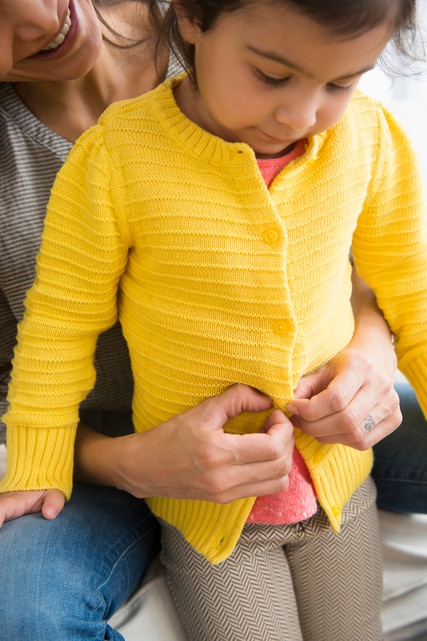
When washing baby clothes, choosing the right water temperature is crucial for keeping them clean without damaging delicate fabrics. Here’s a breakdown of the pros and cons of different water temperatures:
- Cold Water (Below 30°C):
- Best for everyday washing
- Helps prevent shrinking and colour fading
- May be less effective for heavy stains
- Warm Water (30–40°C):
- Ideal balance of cleanliness and fabric care
- Helps dissolve baby laundry detergent effectively
- Suitable for most baby clothes
- Hot Water (Above 40°C):
- Useful for heavily soiled items or sanitising
- Can cause shrinking, fading, or fabric damage
- Use only when necessary
General recommendation: For most situations, wash baby clothes in warm water (30–40°C). Always check the care label to avoid damaging delicate materials.
Read more tips on washing different type of clothes:
What is the best baby laundry detergent?
When it comes to washing baby clothes, the detergent you choose can make a significant difference in protecting your baby’s sensitive skin. Look for hypoallergenic and fragrance-free options to ensure that your detergent is gentle and safe.
What does hypoallergenic or fragrance-free mean?
- Hypoallergenic detergents are designed to reduce the risk of skin irritation
- Free from dyes, strong chemicals, and common allergens
- Ideal for babies with sensitive skin
- Fragrance-free detergents contain no added scents
- Reduce the risk of skin or respiratory sensitivity
- Focus on cleaning without unnecessary additives
Both options are suitable for baby clothes. While baby-specific detergents are formulated for extra gentleness, a mild, fragrance-free regular detergent can also work effectively.
What format of detergent is best?
- Liquid detergent (Recommended)
- Dissolves easily in cold or warm water
- Leaves less residue on clothes
- Ideal for daily baby laundry
- Powder detergent
- May not dissolve fully at lower temperatures
- Can leave residue on fabrics
- Pods
- Convenient but may not dissolve completely in short or low-water cycles
Recommendation:
Use a liquid baby laundry detergent for more consistent, residue-free cleaning.
Read more: Liquid vs. powder detergent vs. pods: Which one works best?
Enjoy cleaner, softer clothes for your baby with Electrolux
Washing baby clothes properly is crucial for keeping your baby’s sensitive skin safe and comfortable. By following the right steps — such as using a mild, fragrance-free detergent, choosing the right wash temperature, and washing clothes regularly — you can ensure your baby’s clothes are clean, soft, and free from harmful chemicals.
To make laundry even easier, consider Electrolux washing machines designed to handle delicate fabrics while providing deep, effective cleaning. Electrolux washers offer gentle cycles, energy efficiency, and features that make laundry day a breeze.
Discover our range of Electrolux washing machine for your daily use:
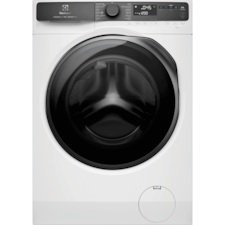

-
- SensorWash helps remove up to 53 stains.*
- IntelliQuick selects best load based programme.
- Refresh clothes with vapour, without washing.
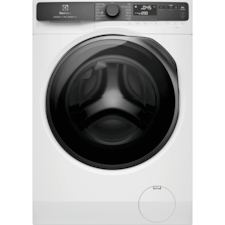
-
- SensorWash helps remove up to 53 stains.*
- IntelliQuick selects best load based programme.
- Refresh clothes with vapour, without washing.
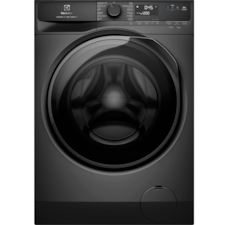
-
- Prevents visible detergent residue with UltraMix.*
- Efficient full-load washing in only 45 mins.
- Sanitise removes 99.99% common bacteria & viruses.*
FAQs on washing baby clothes
-
1. Can baby clothes be washed in the washing machine?
Yes, baby clothes can be safely washed in a washing machine. Using the right settings and a gentle baby laundry detergent ensures clothes are cleaned thoroughly while remaining soft and safe for delicate skin.
-
2. Do I need special detergent for newborns?
You don’t necessarily need a special detergent, but it’s essential to choose one that’s mild, fragrance-free, and hypoallergenic. Baby skin is sensitive, so using a detergent free of dyes and perfumes will help prevent irritation or allergic reactions.
-
3. How often should you wash baby clothes?
Baby clothes should be washed every 1–3 days, depending on usage. In hot and humid climates like Thailand, more frequent washing helps prevent bacteria, odours, and moisture build-up.
-
4. How to remove stains (like milk or poop) from baby clothes?
- Rinse or soak the stained area in cold water first
- Apply a baby-safe stain remover
- Wash using a gentle cycle
This method helps lift stains effectively without damaging fabrics or irritating skin.
-
5. Is fabric softener safe for baby clothes?
It’s best to avoid fabric softeners. They may contain fragrances and chemicals that can irritate sensitive skin and may reduce the safety properties of some baby garments.