Why do clean clothes still smell? You’ve washed them, dried them, maybe even added a splash of fabric softener, and yet something still doesn’t smell quite right. If that sounds familiar, you’re not alone.
In this article, we explore the science of clothes smell, unpacking why certain odors linger in fabrics and how to keep clothes truly fresh using proven, science-backed methods. From understanding how bacteria, moisture, and heat interact with textiles to tips on washing machine maintenance and odor-fighting laundry habits, this guide offers practical solutions that go beyond fragrance.
The unseen culprits: Why don't your clothes smell fresh?
Even after a full wash cycle, clothes can carry lingering smells. Let’s explore why.
Understanding the chemistry of odor
That’s because odor isn’t just about dirt, it’s about volatile organic compounds (VOCs) released by bacteria. These microscopic compounds are what your nose detects as “musty,” “sweaty,” or just plain “off.” Common sources include sweat, body oils, food smells, smoke, and mildew that cling to fabrics and seep into fibers.
How microbes contribute to stink
Clothing absorbs more than just scent, it collects organic matter like skin cells, sebum, and moisture. This is the perfect fuel for bacteria, which thrive in damp laundry baskets or low-temperature washes. As they break down this material, they release VOCs that build up over time.
Without effective odor-fighting strategies, clean clothes can slowly turn into a breeding ground for invisible stink-makers.
Which laundry techniques are scientifically proven to deep clean and remove odours?
If your clothes still carry a musty or sweaty scent even after washing, the issue may lie in how you're washing, not just what. Understanding the science behind temperature, enzymes, and washing technique can help eliminate clothes odor at the source and keep your laundry truly fresh.
Temperature matters: Hot vs cold for odor eradication
The water temperature you choose directly impacts how effectively bacteria and odor molecules are removed. Hot water (60°C or above) is ideal for killing bacteria and removing tough, greasy buildup; perfect for towels, sportswear, or socks. While cold water (30–40°C) saves energy and protects delicate fabrics.
When used with a quality detergent, it can still effectively remove musty smells from clothes, other light odors and stains.
Detergents and enzymes: Breaking down odor at a molecular level
Laundry detergents contain surfactants to lift away dirt and oils, but enzyme-based formulas go further by targeting specific molecules that cause lingering smells. Proteases break down protein-based stains from sweat or food, while lipases target body oils and grease. This molecular breakdown is key to truly removing, not just masking—odors.
Read more: Liquid vs. powder detergent vs. pods: Which one works best?
The power of pre-treatment: targeting stubborn smells
When odors persist, a little extra prep can make a big difference. Pre-treating with stain removers, odor-fighting sprays, or a short soak in enzyme detergent helps loosen residue trapped in fabric fibers, particularly in high-sweat areas like armpits and collars.
The art of loading: maximizing water and detergent efficacy
Overloading your washer may seem efficient, but it prevents proper water flow and detergent distribution. Clothes need space to move for effective agitation. A loosely filled drum ensures each item is thoroughly washed and rinsed, helping eliminate the chance of smells lingering post-wash.
Smart washing that supports freshness with Electrolux
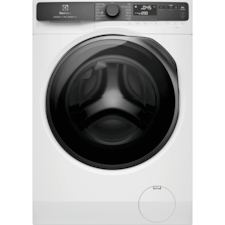
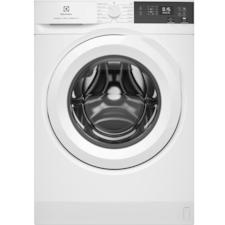
Some modern washing machines come equipped with features that help tackle odor more effectively. For example, steam functions like HygienicCare or VapourCare use gentle heat to reduce bacteria, while AutoDose systems take the guesswork out of detergent use making sure your clothes get just the right amount, every time.
These tools work together to make deeper cleaning feel effortless and consistent.
The drying process: How to lock in freshness and prevent mustiness?
Once your clothes are clean, how you dry them matters just as much. Drying isn't just about speed, it's about controlling moisture, airflow, and temperature to keep clothes fresh and prevent that musty smell from sneaking back in.
The dangers of dampness (why airflow is critical)
When clothes stay damp for too long, they become a breeding ground for mold and mildew. That’s why proper airflow is essential; whether you’re line-drying or using a machine. A humid, enclosed environment can undo all the work you just put into washing.
Avoid over-drying and under-drying
Under-drying leaves fabrics damp and prone to musty odors, while over-drying can damage fibers and lock in smells rather than remove them. Getting the timing right is key to keeping clothes both fresh and in good shape.
Dryer sheets vs dryer balls
Dryer sheets are great for adding fragrance and reducing static, but they don’t improve drying performance. Dryer balls — especially wool ones — help separate clothes, boost airflow, shorten drying time, and soften fabrics without extra chemicals. They’re a good choice if you want freshness without added scent.
Smart drying support in your machines
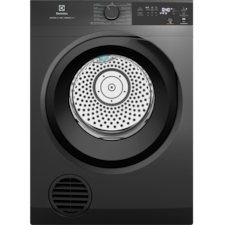
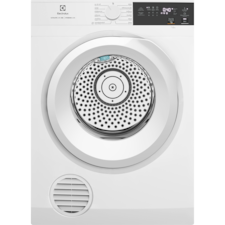
Some Electrolux dryers include features like SensiCare or DelicateCare systems that automatically adjust the drying time based on moisture levels. This helps prevent over-drying, protect fabrics, and keep clothes smelling freshly washed — without any guesswork.
Habits for lasting freshness beyond the laundry cycle
Even the best wash and dry cycle won’t keep clothes fresh if daily habits fall short. Here are the best ways to get clothes fresh, help lock in that clean feel and scent for longer.
- Proper storage: Only store clothes that are completely dry to avoid trapped moisture. Use breathable storage solutions like cotton garment bags, and don’t overcrowd your closet, remember airflow matters here too.
- Cleaning your appliances: Over time, washing machines and dryers can develop residue and bacteria. Regularly clean the drum, detergent drawer, and lint filters to prevent lingering odors and buildup.
- Odor absorbers: Keep things fresh between washes with simple options like baking soda, white vinegar (in your wash cycle), or activated charcoal pouches in drawers, shoes, or gym bags.
Read more: 10 tips to give your clothes a longer life
From science to freshness
Fresh laundry isn’t just about adding fragrance, it’s about understanding the science of odor and how to eliminate it at the source. From bacteria to moisture, knowing what causes smells helps you take the right steps to prevent them.
Electrolux washing machines and dryers are designed with this science in mind. With features like VapourCare, HygienicCare, UltraMix, and SensiCare, they offer precise temperature control, deep cleaning, and optimized drying giving your clothes that truly fresh, cared-for feeling every time.

-
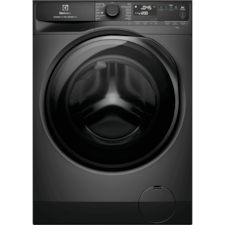
- Revitalises clothes while reducing wrinkles*.
- ReverseTumbling helps reduce wrinkles for easy ironing.
- Remove common bacteria and viruses when drying.*
-
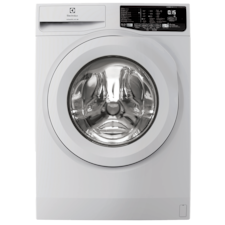
- SensorWash helps remove up to 53 stains.*
- IntelliQuick selects best load based programme.
- Refresh clothes with vapour, without washing.
-
- VapourCare removes 99.9% bacteria and allergens*.
- Inverter motor is quiet, efficient, and durable*.
- Quick cycles for single items or small loads.
Frequently asked questions about achieving truly fresh clothes
1. Why clothes smell after washing?
Musty odors often come from lingering moisture or bacteria that weren’t fully removed during the wash. Overloading your machine, using too little detergent, or storing damp clothes can all contribute. Ensure your laundry has enough space to rinse thoroughly, and always dry clothes completely before storing.
2. Can cold water effectively remove odors from clothes?
Yes, cold water can remove light odors when paired with the right detergent, especially enzyme-based formulas. However, for heavy smells (like mildew or sweat), warm or hot water is more effective at breaking down odor-causing bacteria and oils.
3. How often should I clean my washing machine to prevent odors?
Ideally, clean your washing machine once a month. Run a hot wash cycle with a machine cleaner or white vinegar, wipe down the door seal and detergent drawer, and clear any buildup from the drum or filter.
Read more: A complete guide on how to clean a washing machine
4. What's the best way to prevent gym clothes from smelling after a workout?
Don’t let sweaty clothes sit in a pile. Rinse them if you can’t wash right away, and air them out. Wash with a sportswear-friendly detergent in a cycle designed for synthetics, and avoid fabric softeners which can trap odors.
5. Why do clothes still smell after washing with detergent?
Detergent alone may not break down all bacteria or body oils, especially in synthetic fabrics. Try using a pre-wash soak, enzyme detergent, and a longer cycle to give odor-causing compounds time to break down.
6. Is there a best detergent for laundry odor removal?
Look for detergents with enzymes like protease and lipase, they’re great at targeting the proteins and oils behind common smells. Unscented doesn’t mean ineffective, focus on deep cleaning rather than masking scent.
7. How do I eliminate smells from clothes without harsh chemicals?
Use natural odor fighters like baking soda or white vinegar during the wash. Proper drying, breathable storage, and clean machines also help you stay fresh without relying on heavy fragrances.