Air quality is an important concern for many households in Thailand, especially during PM2.5 season, periods of haze, or when living in busy urban areas. Dust, pollen, pet dander, odours and fine particles can build up indoors, even when doors and windows are closed.
A good air purifier can help improve indoor air quality by filtering airborne particles and keeping your bedroom, living room or home office feeling fresher.
If you are wondering which air purifier brand is good, how to choose an air purifier for your room size, or what features matter most, this guide will help you compare the key factors before buying.
What is an air purifier?
An air purifier is a home appliance that helps filter indoor air by drawing air into the unit, passing it through one or more filters, and releasing cleaner air back into the room. Depending on the filter system, it can help capture fine particles such as dust, pollen, PM2.5, pet dander and other airborne pollutants.
Air purifiers can be especially useful in Thailand during PM2.5 season, haze periods or in homes affected by dust, pets, odours or city pollution. They can help support a fresher indoor environment in bedrooms, living rooms and home offices when used with the right filter and room coverage.
To learn more about how air purifiers support cleaner indoor air, read our guide on the benefits of an air purifier.
How to choose an air purifier
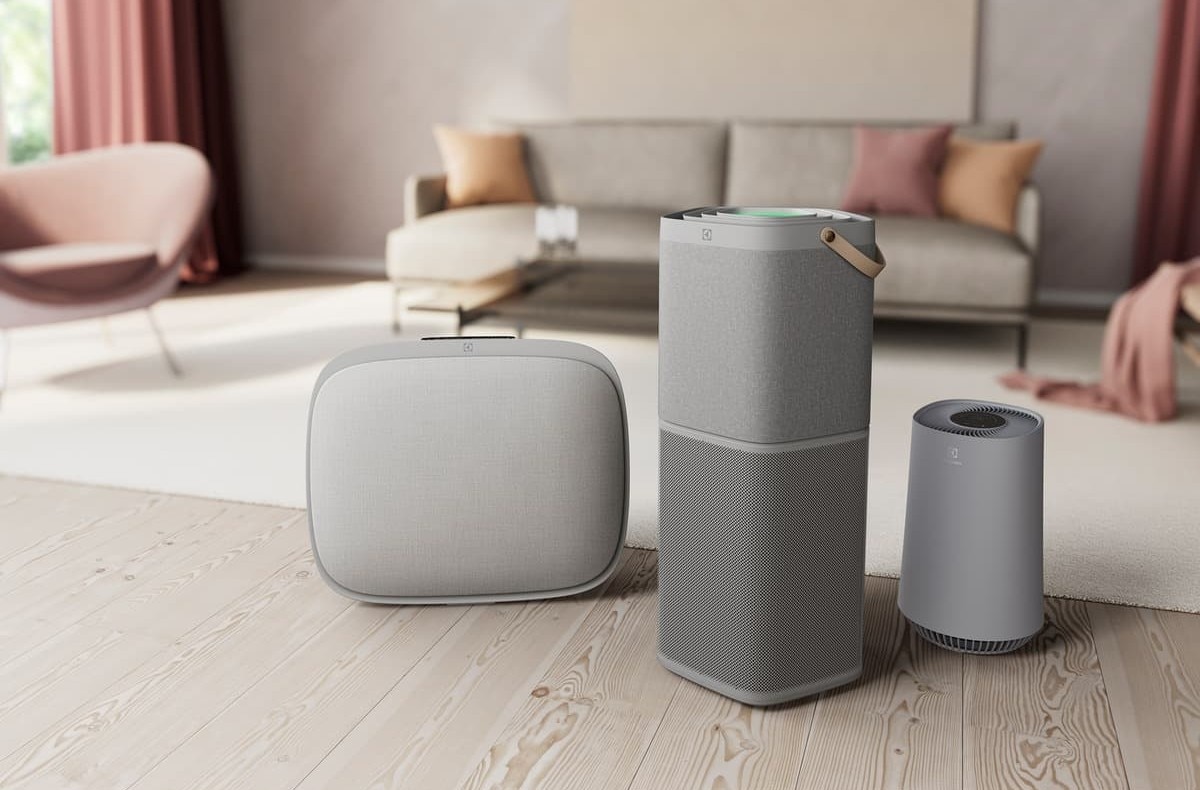
When comparing air purifiers, focus on room size, filter type, CADR, noise level, maintenance and smart features. These factors will help you choose a model that fits your home and daily needs.
Choose the right filter type
Filter type is one of the most important things to check when choosing an air purifier.
A HEPA filter is useful for capturing fine particles such as dust, pollen, allergens and PM2.5. If you are looking for an air purifier for allergies, dust mites or haze season, HEPA filtration should be a priority.
A carbon filter helps reduce odours, smoke and certain gases. This is useful for households with pets, cooking smells or cigarette smoke.
A pre-filter captures larger particles such as hair, dust and pet fur before they reach the main filter. This can help extend the life of the main filter and support easier maintenance.
Some air purifiers may include additional technologies such as UV or ioniser functions. If you are considering these features, check the product details carefully and choose based on your household needs.
Match the air purifier to your room size
Choose an air purifier that is suitable for the size of the room where you will use it most. A purifier that is too small for the room may take longer to clean the air or may not perform effectively.
Before buying, check the recommended coverage area in the product specifications. For bedrooms, quiet operation and sleep mode are important. For living rooms or large rooms, look for stronger airflow and wider coverage.
If your room is between two recommended sizes, choosing a model with slightly larger coverage can help improve performance.
| Room type | What to consider |
| Bedroom | Low noise, reliable filtration and safe placement |
| Children’s room | Low noise, reliable filtration and safe placement |
| Living room | Larger coverage, stronger CADR and multiple fan speeds |
| Large room | Wide coverage and higher air-cleaning performance |
| Office | Continuous operation, air quality monitoring and low noise |
For rooms around 60 square metres or 100 square metres, always check the product’s recommended coverage area and CADR. Do not rely only on physical product size, as performance depends on airflow and filter design.
Check CADR for cleaning performance
CADR stands for Clean Air Delivery Rate. It helps indicate how quickly an air purifier can deliver filtered air into a room.
In general, a higher CADR means the air purifier can clean air faster, but the right CADR depends on room size and air quality needs. For larger rooms, open-plan living areas or homes affected by PM2.5, a higher CADR may be more suitable.
When comparing air purifiers, check CADR together with recommended room size. Both details help you understand whether the model is suitable for your space.
Consider noise level
Noise level matters if you plan to use the air purifier in a bedroom, children’s room, study area or office. Since air purifiers often run for long periods, a quiet model can make daily use more comfortable.
For bedrooms, look for sleep mode or low-noise operation. For living rooms, multiple fan speeds can be useful because you can increase power when air quality is poor and reduce speed when the air is cleaner.
Look for smart features
Smart features can make an air purifier easier to use and monitor. Depending on the model, useful features may include:
- Air quality sensor
- Auto mode
- Real-time air quality display
- App control
- Filter replacement indicator
- Sleep mode
- Multiple fan speeds
Auto mode is especially practical because the air purifier can adjust performance based on detected air quality. A filter replacement indicator also helps you maintain the purifier at the right time.
Best air purifier for different needs
Different households have different air quality concerns. Here’s how to choose based on your main need.
Air purifier for allergies
If you have allergies, choose an air purifier with effective particle filtration, such as a HEPA filter. This can help capture common airborne allergens such as dust, pollen, dust mite particles and pet dander.
For best results, use the air purifier in the room where you spend the most time, such as the bedroom or living room.
Air purifier for PM2.5 and dust
For PM2.5 and dust, choose a model with strong particle filtration and suitable CADR for your room size. This is especially important during haze season or on days when outdoor air quality is poor.
Keeping doors and windows closed while the purifier is running can help improve performance when outdoor pollution is high.
Air purifier for pet owners
Pet owners should look for an air purifier with a pre-filter, HEPA filter and carbon filter. The pre-filter helps capture pet hair, the HEPA filter helps capture pet dander, and the carbon filter helps reduce pet odours.
Place the purifier in a room where your pet spends the most time, while making sure the air inlet and outlet are not blocked.
Air purifier for bedrooms
For bedrooms, choose an air purifier with quiet operation, sleep mode and suitable room coverage. A model with an air quality sensor and auto mode can also be helpful because it adjusts performance based on the air quality in the room.
Air purifier for children
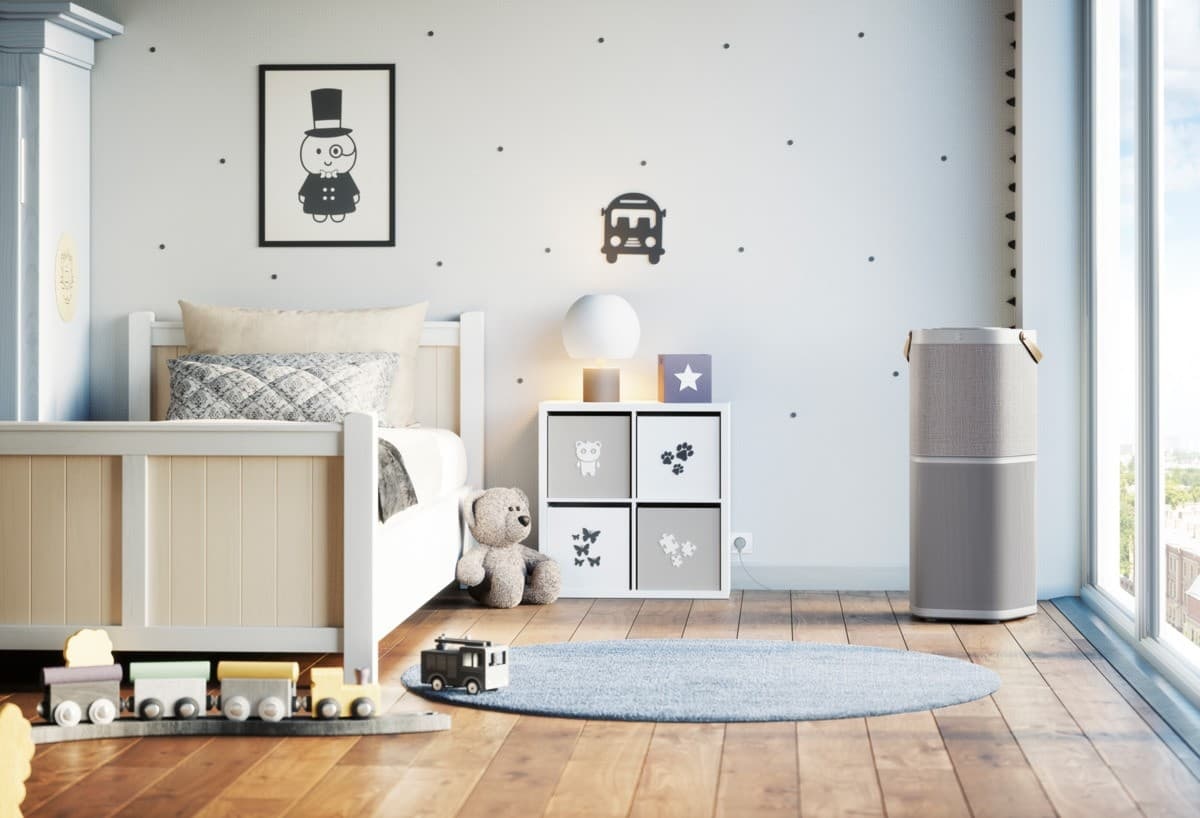
For children’s rooms, focus on reliable filtration, low noise and safe placement. Choose a model that is suitable for the room size and place it where children cannot easily block the air outlet or pull the power cord.
Avoid overclaiming health benefits. An air purifier can support cleaner indoor air, but it should be part of a wider approach that includes regular cleaning, ventilation when outdoor air quality is good, and proper filter maintenance.
Air purifier for offices
For home offices or shared office spaces, choose an air purifier with suitable coverage, low operating noise and continuous-use convenience. Air quality monitoring and auto mode can be useful for spaces used throughout the day.
Air purifier price: How much should you spend?
Air purifier price depends on several factors, including room coverage, CADR, filter type, smart features, design and replacement filter cost.
Smaller models for bedrooms are usually more affordable, while larger models for living rooms or open-plan areas may cost more. Models with smart sensors, app control or higher CADR may also sit at a higher price point.
When setting your budget, consider both the appliance price and long-term filter replacement costs. A lower-priced unit may not always be the best value if filters are difficult to find or need frequent replacement.
Electrolux air purifier prices range from around THB 3,790 to over THB 25,000, depending on room size, filter type and smart features.
What air purifier brand is good?
A good air purifier brand should offer reliable filtration, clear product information and models for different room sizes. It should also make it easy to find replacement filters and after-sales support.
What to look for in a good air purifier brand
When comparing an air purifier, consider:
- Filtration performance
- Recommended room coverage
- CADR information
- Noise level
- Filter availability
- Replacement filter cost
- Smart features
- Warranty and after-sales service
- Customer reviews
A trusted brand should make it easy to understand which model suits your needs, whether you are buying an air purifier for allergies, pets, PM2.5, a bedroom or a large room.
Is Electrolux air purifier good?
Electrolux air purifiers are designed for modern homes that need cleaner, fresher indoor air. Depending on the model, Electrolux air purifiers may offer features such as multi-layer filtration, air quality monitoring, smart controls and user-friendly design.
For Thailand households, Electrolux air purifiers are especially relevant for PM2.5 season, urban dust, pet dander, odours and everyday indoor air quality. To choose the right model, compare room size, CADR, filter type and maintenance needs before buying.
Recommended Electrolux air purifiers to consider
Below are our recommended Electrolux air purifiers, selected to suit different room sizes and everyday air quality needs.
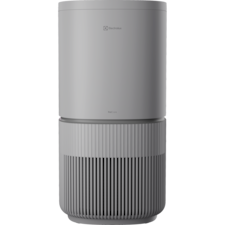
- Electrolux EP53-45UGB - PetCare 500 Air Purifier
- Best for: Pet-owning households or rooms up to 56 m² that need targeted removal of pet odours, airborne pet fur and allergens for cleaner, fresher air.
- Key features: Designed with pet-owning homes in mind, Smart Pet mode helps reduce unpleasant odours, airborne pet fur and allergens for a fresher indoor environment. Its washable pre-filter captures floating pet fur, while the carbon filter helps neutralise pet odours. The purifier also helps filter bacteria and fine dust particles, with Smart mode automatically adjusting to air quality and Sleep mode keeping the air clean quietly through the night.

-
- Smart Pet Mode quickly targets pet fur and odours.
- Washable pre-filter helps capture up to 95%¹ of pet fur.
- Captures and removes up to 99%¹ of pet dander and allergens.
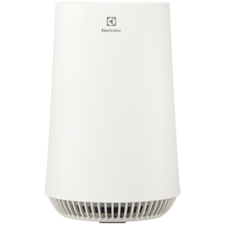
- Electrolux FA31-200WT - UltimateHome 300 air purifier with 4-stage filter
- Best for: Bedrooms or smaller rooms that need quiet, everyday air purification.
- Key features: Its 4-step filtration helps neutralise captured bacteria, while the spiral outlet circulates filtered air throughout the room. It also offers quiet operation, even at maximum speed, making it suitable for daily and night-time use.
-
- 4-step filtration neutralises captured bacteria¹.
- Spiral outlet circulates filtered air¹.
- Quiet operation, even when at maximum speed.
Explore Electrolux air purifiers to find the right model for your room size, lifestyle and indoor air quality needs.
FAQs
-
Does an air purifier consume a lot of electricity?
Most models are energy-efficient and cost little to operate daily.
-
Is an air purifier necessary in the bedroom?
Yes, as it improves air quality and promotes better sleep.
-
Can you open windows while using an air purifier?
It’s best to keep windows closed for maximum efficiency.
-
Can air purifier filters be washed?
Pre-filters can often be washed, but HEPA and carbon filters typically need replacement.
-
How often should air filters be cleaned?
Pre-filters should be cleaned monthly. Other filters depend on usage but are usually replaced every 6-12 months.
-
When should air purifier filters be replaced?
Follow manufacturer guidelines, typically every 6-12 months.