Using a vacuum cleaner may seem simple but achieving a truly deep and hygienic clean requires the right technique. From preparing your space to choosing the correct attachments, small improvements in how you vacuum can significantly enhance results.
This guide explains how to use a vacuum cleaner efficiently, how a vacuum cleaner works, and practical steps to maintain strong suction and consistent performance over time.
- Dust surfaces first to capture more particles during vacuuming
- Clear the area to allow smooth and efficient movement
- Use the right attachments for different surfaces
- Vacuum slowly in multiple directions for a deeper clean
- Empty the dustbin regularly to maintain suction power
- Clean filters and attachments to keep performance consistent
How does a vacuum cleaner work?
A vacuum cleaner uses a motor to create suction, drawing in air along with dust, dirt, and debris. These particles are collected in a dust bag or container, while filters trap fine particles such as allergens, dust mites, and pet dander.
Efficient airflow is critical. When the dustbin is full or filters are clogged, suction power drops—reducing cleaning effectiveness. That’s why proper usage and maintenance go hand in hand.
What are the key steps to use a vacuum cleaner effectively?
Before diving into the full process, focus on these fundamentals:
- Clear your space to allow smooth, uninterrupted movement
- Vacuum slowly to maximise dust pickup
- Check the dust bag or bin to maintain optimal suction
These simple habits create a strong foundation for more efficient cleaning.
>>> Read more: 5 steps to increase vacuum cleaner suction
How to use a vacuum cleaner: 7 best techniques
1. Should you dust before vacuuming?
Yes. Always start by dusting surfaces such as shelves, tables, and furniture. This loosens dust and allows particles to fall to the floor, where your vacuum can remove them effectively.
Skipping this step often leads to dust resettling after vacuuming—reducing overall cleanliness.
2. How do you prepare your space for vacuuming?
Prepare your cleaning area by removing small objects and repositioning lightweight furniture where possible. This creates a clear path and allows for more consistent vacuuming patterns.
It also prevents small items like coins, toys, or debris from entering the vacuum, which could cause internal blockages or damage.
3. When should you empty or change the vacuum bag?
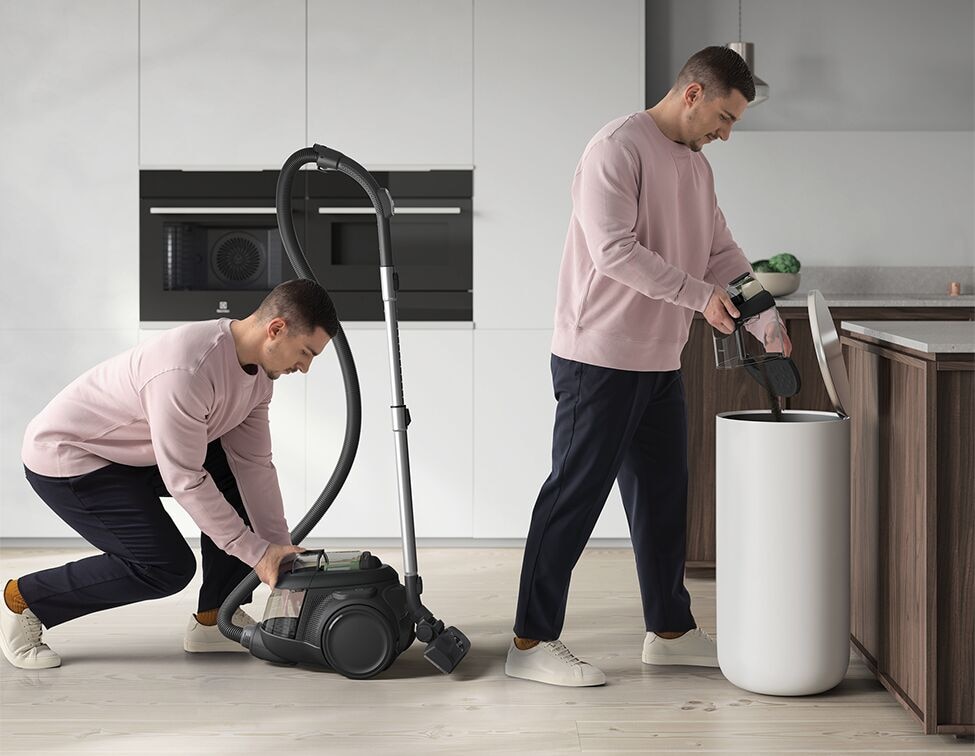
To maintain strong suction, empty or replace the dust bag when it reaches 50–75% capacity.
A full container restricts airflow and reduces efficiency, especially in homes with pets or larger floor areas. Many modern vacuums include indicators or transparent dustbins, making it easier to monitor capacity.
>>> Read more: How to clean vacuum cleaner
4. Which vacuum attachments should you use?
Using the right attachment ensures better cleaning performance across different surfaces:
- Multi-surface nozzles for switching between hard floors and carpets
- Crevice tools for tight corners and edges
- Dusting brushes for delicate surfaces like shelves or blinds
- Upholstery or pet nozzles for fabric and soft furnishings
Electrolux vacuums are designed with purpose-built attachments that help deliver a more precise and efficient clean throughout the home.
5. What is the correct vacuuming technique?
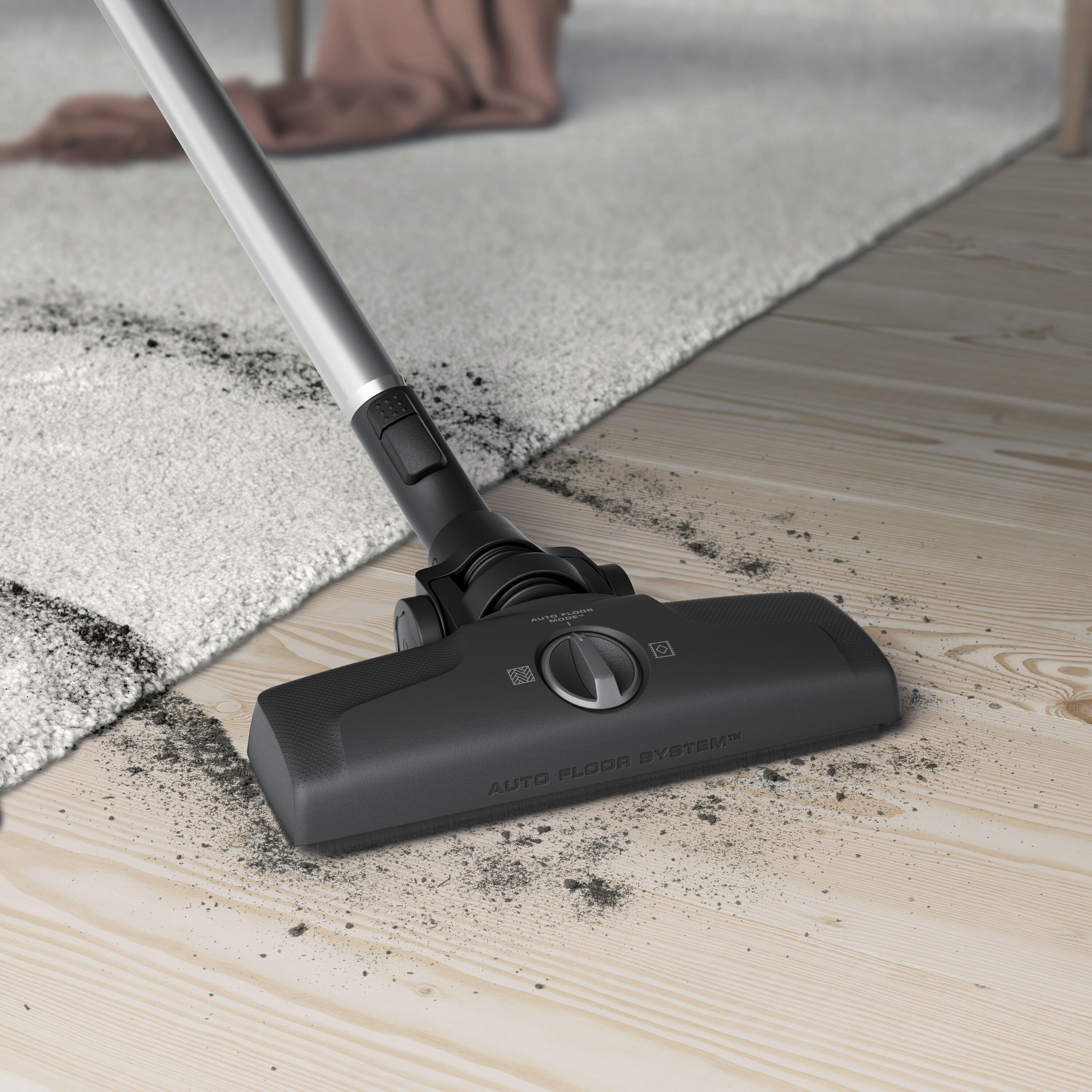
Technique matters more than speed.
Vacuum using slow, controlled back-and-forth movements, allowing the machine to lift dirt from deep within carpet fibres or floor gaps. Then repeat in the opposite direction to capture any remaining debris.
Rushing this step often leaves dirt behind—especially in high-traffic areas.
Pro tip: Start from the farthest corner of the room and work your way towards the exit to avoid stepping over freshly cleaned surfaces.
6. Should you vacuum corners and edges?
Yes—this is where dust tends to accumulate.
Corners, skirting boards, and areas under furniture often trap fine dust and debris. Use a crevice tool or narrow nozzle to reach these spaces and ensure a more complete clean.
Some vacuum models also include LED nozzles, helping you spot dust in low-light areas.
7. What should you do after vacuuming?
After cleaning, empty the dustbin or replace the bag so your vacuum is ready for the next use.
As a general guide:
- Empty the dustbin when it reaches 50–75% capacity
- Replace dust bags regularly depending on usage frequency
- Check filters periodically to maintain airflow
This helps prevent odours, maintains suction power, and ensures consistent cleaning performance over time.
For optimal results, consider using compatible parts from our Electrolux floor care accessories range, designed to support filtration, airflow, and overall vacuum efficiency.
Do’s and don’ts of using a vacuum cleaner
Do:
- Remove tangled hair and fibres from the brush roll regularly
- Clean or replace filters to maintain airflow and hygiene
- Use the appropriate nozzle for each cleaning task
- Follow the product manual for proper care and maintenance
Don’t:
- Vacuum wet spills with dry attachments
- Allow dust to accumulate on nozzles and tubes
- Pull the cord to unplug the vacuum
- Attempt complex repairs without professional support
- Vacuum hot ash or sharp objects that can damage the appliance
Using your vacuum correctly not only improves cleaning results but also extends its lifespan.
Why choosing the right vacuum cleaner matters
Even the best technique cannot compensate for the wrong appliance.
Different households have different needs—whether it’s managing pet hair, cleaning multiple surfaces, or maintaining indoor air quality. Choosing a vacuum cleaner designed for your environment ensures more efficient and consistent performance.
Electrolux vacuum cleaners are engineered with advanced filtration systems, powerful suction, and versatile attachments to support a deeper, more effortless clean across your home.
Mastering how to use a vacuum cleaner efficiently is not about working harder—it’s about working smarter. With the right approach and tools, you can achieve a deeper clean while protecting your home, your health, and your appliance.
Discover our range of Electrolux vacuum cleaners available on our website!

-
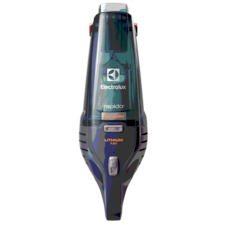
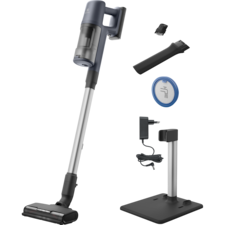
- 2-in-1 handheld for cleaning hard-to-reach areas.
- 180° EasySteer for manoeuvrability on all floors.
- 30 minutes* run-time for quick or deep cleaning.
-
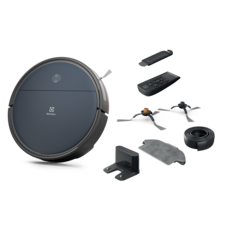
- Up to 4000Pa* suction on fine to large particles².
- Thoroughly clean hard floors with integrated mop.
- Lidar maps home to optimise cleaning efficiency.
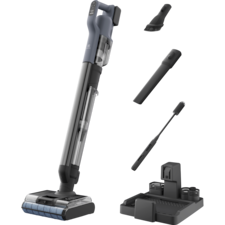
-
- 2-in-1 cleaning
- An exceptional wet and dry cleaning performance.
- TriAction nozzle removes up to 99%* dry debris.
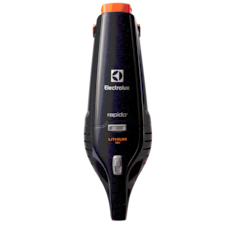
-
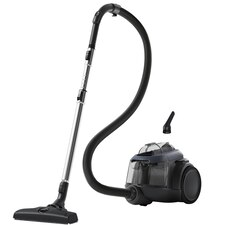
- TurboPower battery for high performance, longer.
- Easy reach nozzle cleans hard-to-reach places.
- Soft Steer wheels ensure precise handling.
FAQ about how to use vacuum cleaner
-
1. How to clean a sofa using a vacuum cleaner?
Use an upholstery or brush attachment to gently remove dust, crumbs, and pet hair. Focus on seams and crevices where debris builds up. For best results, vacuum in short, controlled strokes.
-
2. How to vacuum the carpet properly?
Vacuum slowly using overlapping passes. Move in multiple directions to lift dirt trapped deep within carpet fibres. High-traffic areas may require additional passes for a thorough clean.
-
3. How to vacuum pet hair effectively?
Use a motorised or pet-specific nozzle designed to lift embedded hair from carpets and upholstery. Empty the dustbin frequently, as pet hair can quickly reduce suction performance.
-
4. How to store a vacuum cleaner properly?
Store in a cool, dry place. Empty the dustbin, clean filters, and wrap the cord neatly. Keep attachments organised for easy use.
-
5. Can a vacuum cleaner be used to clean an air conditioner?
Yes, for external parts like vents or filters using a brush attachment. Avoid internal components—use professional servicing for deep cleaning.