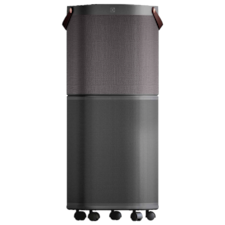
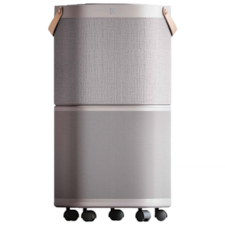
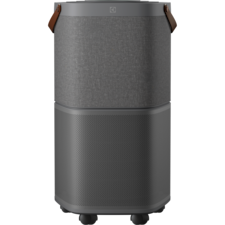
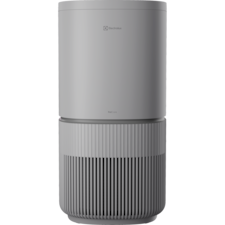
Air purifiers help improve indoor air quality by reducing dust, allergens, and airborne pollutants. To keep performance consistent, regular maintenance matters—because clogged filters and blocked vents can reduce airflow and cleaning efficiency.
In this guide, you’ll learn simple air purifier maintenance tips, including how often to replace filters, how to clean key parts safely, and smart placement habits that help your purifier last longer and keep your air fresher.
1. Replace air purifier filter regularly
When should I replace an air purifier filter?
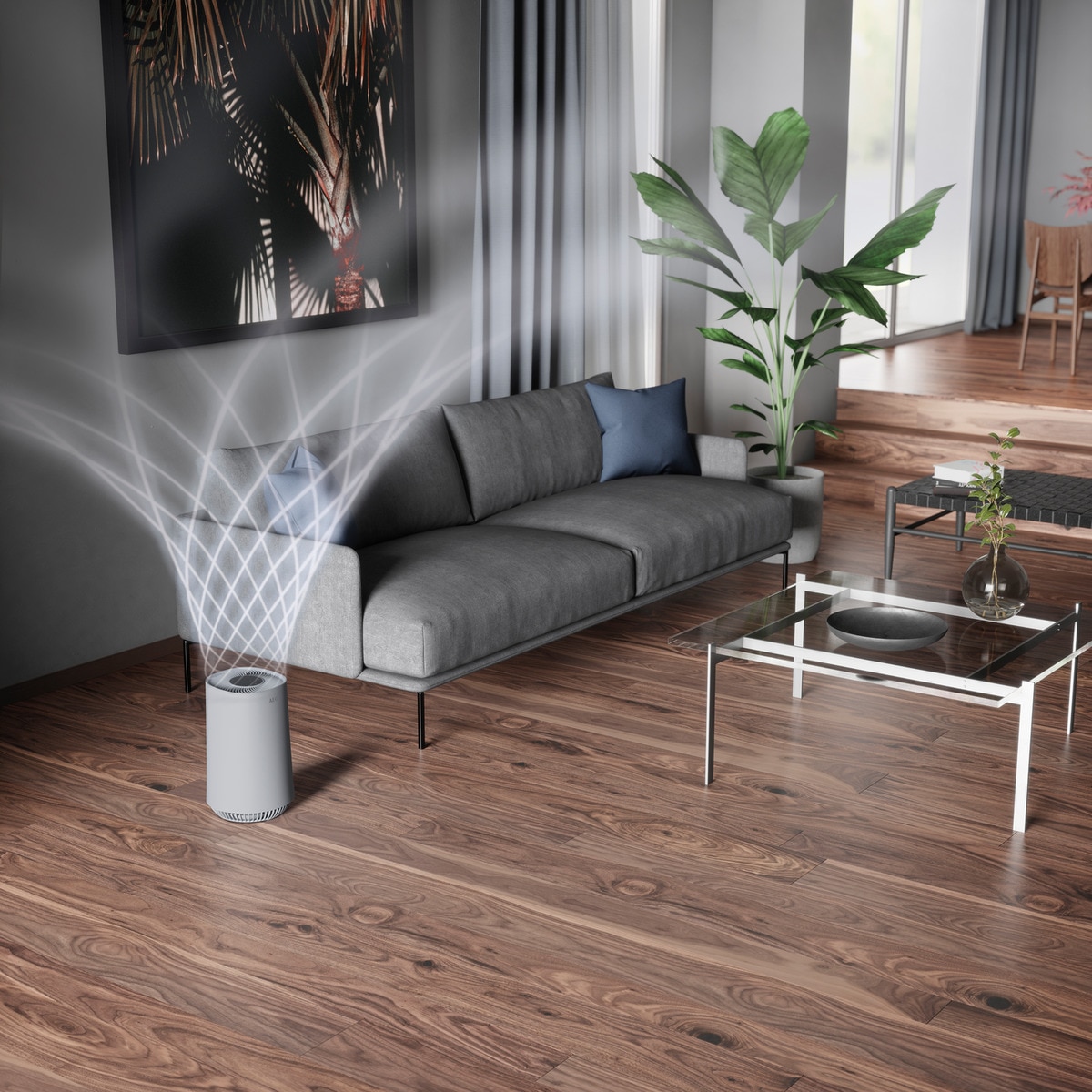
Understanding how often to replace air purifier filters is vital for maintaining clean air and the device's efficiency.
- Pre-filters: Replace every 3–6 months
- HEPA filters: Replace every 6–12 months
- Carbon filters: Replace every 3–6 months
- UV bulbs: Replace every 12–24 months
Factors affecting replacement frequency include usage hours, room size, and air quality. Signs that your filter needs changing include reduced airflow, unpleasant odors, and indicator lights signaling replacement.
Use the filter indicator as your guide
Most modern air purifiers are equipped with a filter indicator light—your built-in reminder system to keep your air clean and your device running smoothly.
These lights don’t just track time; many models monitor usage and airflow to alert you when the filter is truly nearing the end of its life. Ignoring the signal can reduce your purifier’s efficiency and compromise air quality, even if the unit is still running.
2. Know how to clean air purifier filter correctly
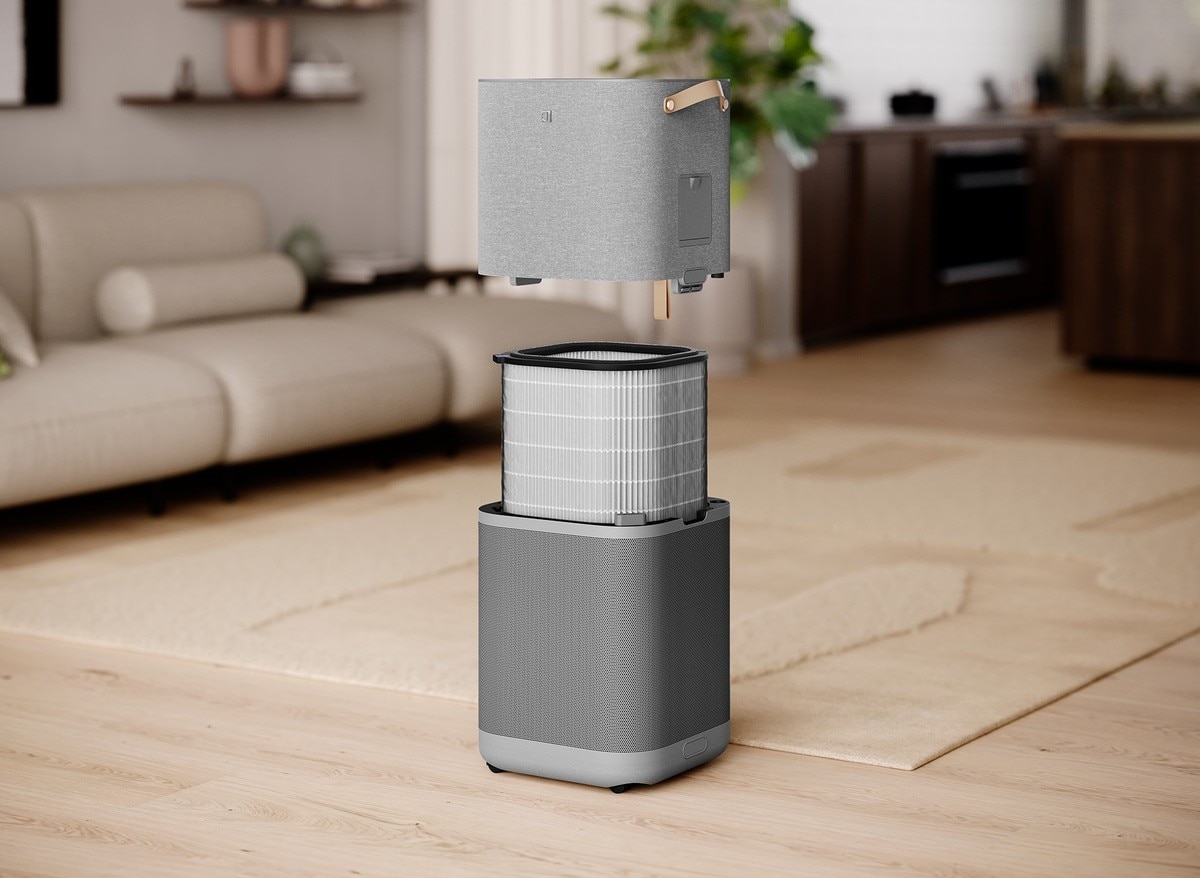
Even if your air purifier uses replaceable filters, regular cleaning—especially of the pre-filter—can make a noticeable difference in how well it performs. Dust buildup on the filter surface not only reduces airflow but forces the purifier to work harder than necessary.
Before you start, always unplug the unit. Carefully open the cover, remove the filter, and give the exterior a quick wipe. This simple habit, done every couple of weeks, helps your purifier breathe better.
Cleaning methods based on filter type:
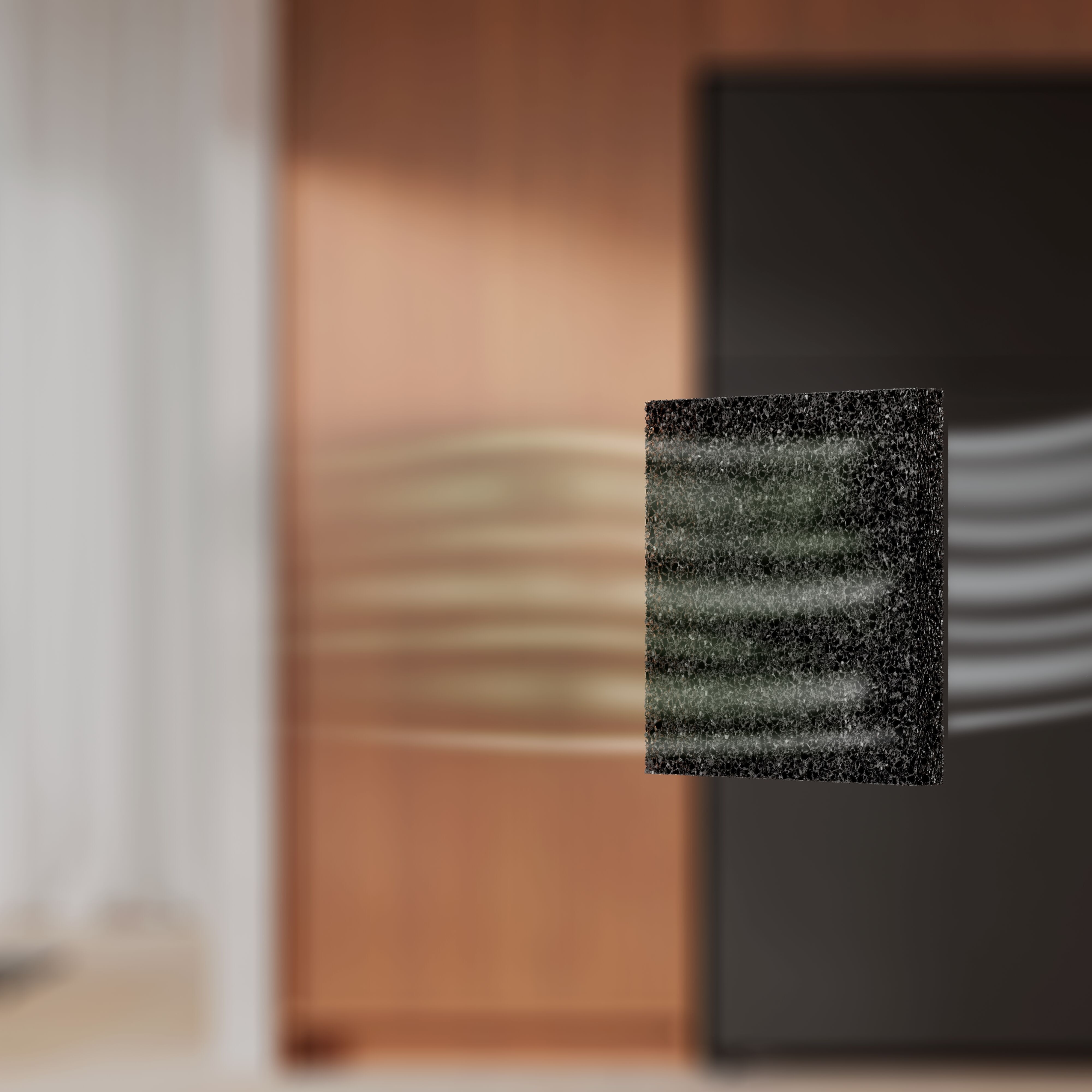
- Washable pre-filters: These are often found in the front layer. Rinse them under cool water and gently scrub with mild soap if needed. Let them dry completely before reinserting—moisture can damage internal components.
- Non-washable filters (HEPA or carbon): These can’t be rinsed but can still benefit from light maintenance. Use a handheld vacuum or soft brush to lift surface dust gently. Never use water, as it can break down the fibers or neutralize the activated carbon.
Cautions: Always follow the manufacturer's recommended cleaning techniques to prevent damage.
3. Keep the exterior of your air purifier clean
Keeping the exterior of your air purifier clean directly impacts how well your device circulates and filters air, as dust and grime buildup around intake or output vents can block airflow and reduce efficiency over time.
Aim to wipe down the exterior of your air purifier at least once a week, or more often if you live in a dusty environment or have pets.
How to clean different parts safely:
- Exterior housing: Use a soft, lint-free cloth slightly dampened with water or a mild detergent. Gently wipe the outer surface to remove dust, smudges, and fingerprints. Avoid harsh chemicals or abrasive materials that may damage the finish.
- Air intake and output vents: Use a vacuum with a brush attachment or a soft brush to remove any accumulated dust from the vents. Blocked vents can reduce airflow and overwork the filter system.
- Control panel and buttons: Wipe these gently with a dry microfiber cloth. If necessary, use a lightly damp cloth—but never spray liquid directly onto the unit or allow moisture to seep into any openings.
Important caution:
Never use strong liquid cleaners, solvents, or spray directly onto the air purifier—especially near electrical components. Always unplug the unit before cleaning and allow all parts to dry completely before plugging it back in.
4. Where should an air purifier be placed?
Where you place your air purifier has a big impact on how well it works—and how often it needs maintenance. Poor placement can limit airflow, cause filters to clog faster, and reduce the unit’s ability to clean the air effectively.
Tips for optimal placement:
- Keep it away from walls and furniture: For maximum airflow, position your air purifier at least 15–30 cm (6–12 inches) away from walls, curtains, or furniture. Blocking the intake or output vents can strain the motor and reduce purification efficiency.
- Avoid high-dust or high-humidity areas: Avoid placing the unit near windows, vents, or kitchens, where dust, grease, and moisture levels may be higher. These environments can dirty filters faster and may shorten the unit’s lifespan.
- Place it where you need clean air the most: Prioritize rooms where you spend the most time—like the bedroom, living room, or nursery. If you have allergies, place the purifier closer to your bed at night for more direct purification.
- Don’t hide it: Avoid tucking the purifier into a corner or under a table. Even sleek, compact models need space to “breathe” and perform properly.
For more practical advice on maximizing your purifier’s efficiency, check out our full guide on how to use an air purifier.
5. Keep the area around the air purifier clean
An air purifier works best when it isn’t surrounded by dust and clutter. A cleaner area helps maintain airflow, prevents filters from clogging too quickly, and keeps performance consistent.
To reduce buildup:
- Vacuum regularly: Once or twice a week, especially around the base and high-traffic areas.
- Dust nearby surfaces: Wipe shelves, window sills, and furniture close to the unit with a microfiber cloth.
- Minimize clutter: Clear piles of items or fabrics that trap dust and shed lint.
In pet-friendly or busy homes, dust can settle faster—so keeping the surrounding area clean helps your purifier (and filters) last longer.
Breathe better with regular air purifier care
A simple routine—replacing filters on time, cleaning key surfaces, and placing your purifier correctly—helps maintain strong airflow and reliable purification day after day. It also extends the life of your unit and supports a healthier indoor environment, especially for allergy-prone households.
For added peace of mind, Electrolux air purifiers are designed with thoughtful features such as quiet operation and Scandinavian design that fits seamlessly into modern homes. Explore our air purifier buying guide if you need help choosing the right model.
Curious how it fits into daily life? See the Electrolux UltimateHome air purifier in action to get a feel for its performance and ease of use.
FAQs on air purifier maintenance
-
1. Can air purifier filter be washed?
No—most true HEPA filters are not washable. Rinsing can damage the fibers. Only vacuum if the manual allows, and always follow replacement guidelines.
-
2. Is it normal for my air purifier to make noise after cleaning?
Some light noise is normal as the purifier resets and the fan adjusts. If it’s louder than usual, check that all parts—especially the filter and cover—are reinstalled correctly. Debris stuck in the fan or an improperly seated filter may also cause vibrations. If the noise continues, consult the manual or contact the manufacturer’s support team.
-
3. How often should I clean my washable pre-filter?
Washable pre-filters should be cleaned every 2 to 4 weeks, depending on your environment. Homes with pets, heavy traffic, or open windows may require more frequent cleaning.
-
4. What happens if I don’t replace the filter?
An old, clogged filter can no longer trap pollutants effectively, which can lead to poor air quality, increased allergens, and even strain the motor. Over time, this can reduce your purifier’s lifespan and make it less energy-efficient. Ignoring filter changes also risks recirculating trapped particles back into your home’s air.