Fabric aging refers to the gradual wear and visual changes in textiles over time, which includes fading, pilling, thinning, yellowing, or a general loss of strength. But why fabric ages differently from one garment to another isn’t always obvious.
The answer lies in a combination of factors: the fabric’s fiber type, how it’s used, the way it’s washed, and even the environment it’s stored in. Synthetic fibers may resist shrinking but attract pilling. Natural fibers breathe better but fade with sun exposure. Everyday habits, from how often you wear something to the way you launder it, can speed up or slow down visible aging.
This article explores why these differences matter and offers practical care tips to help extend your clothing’s life.
How fabric deteriorates over time
Everything ages with time and fabric is no exception. But while wear is inevitable, some types of damage happen faster and more severely depending on how a garment is used, cleaned, or stored. Understanding what’s behind that aging process helps explain how fabric ages, and why some items seem to fall apart quicker than others.
Here are the 3 main reasons behind fabric deterioration:
In terms of lifespan, natural fibers may biodegrade faster but tend to be more repairable. Synthetics resist certain types of decay but are prone to long-term polymer breakdown and microplastic shedding.
When fabric has large holes, severe thinning, or deep discoloration, it may be beyond saving. But loose seams, minor wear, and light fading are often reversible with proper care or mending.
What makes fabrics age differently
Not all clothes age equally. Even two garments worn and washed the same way can show different signs of wear depending on their materials, structure, and exposure. Here’s why some fabrics break down faster than others:
Fiber type and intrinsic durability
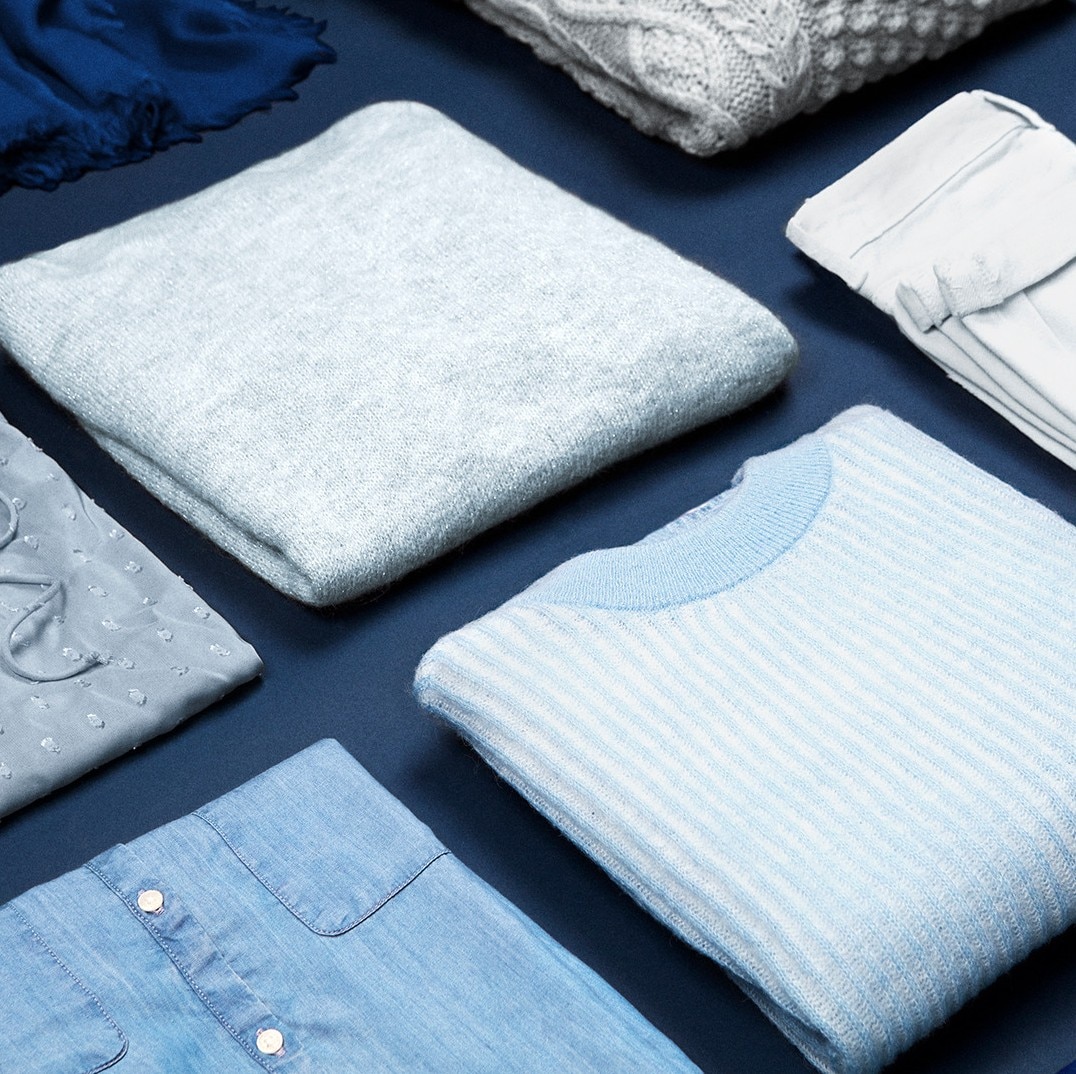
Different fibers have unique internal structures that affect how they hold up over time. Natural fibers like cotton and wool absorb moisture and breathe well, but they can lose strength when exposed to friction or sun. Silk is protein-based and very fine, making it prone to snags. Synthetics like polyester resist stretching and staining but can trap odors and develop surface wear.
- Cotton T-shirt fades faster than polyester tee
- Silk blouse snags from shoulder bag friction
- Nylon leggings pill in high-friction zones
Weave/knit construction and fabric weight
The way a fabric is constructed plays a huge role in its durability. Tighter weaves provide more structure and resist snagging or stretching. Knits, especially lightweight ones, are more flexible but can stretch out and pill more easily.
- Twill pants outlast loose linen trousers
- Heavy knit sweater keeps shape better than light jersey tee
Dyeing and finishing treatments
How fabric is dyed or chemically treated affects how it ages. Reactive dyes may fade faster in UV light. Coatings like wrinkle-resistance or waterproofing can wear off, leaving fabric more exposed.
- Black cotton jeans fade with repeated washes
- Water-repellent finish on outerwear wears out with time
Mechanical stress and friction
Repeated movement and abrasion cause physical damage. This is especially noticeable in areas that experience consistent rubbing.
- Inner thighs of jeans wearing thin
- Pilling on sleeves from shoulder bag straps
UV exposure and environmental factors
Sunlight degrades fiber integrity and fades dyes, especially in natural fabrics. Humid storage can encourage mold, and pollution particles can cling to and damage fibers.
- Linen curtains fading on sun-exposed windows
- Cotton shirts yellowing in humid closets
Biological and chemical damage
Sweat, mildew, and harsh cleaning agents weaken fibers on a chemical level. Natural fabrics absorb body oils and acids, while bleach can cause breakdown in almost any fabric.
- Underarm stains weakening fabric on T-shirts
- Mildew smell and discoloration on rarely worn clothes
Care history
Each laundry cycle wears a garment down a little more. Hot water, aggressive agitation, over-drying, and poor sorting can all cause premature aging.
- Tumble drying wool sweater causes shrinkage
- Overwashing synthetics accelerates pilling
12 ways to prevent fabrics from aging
Understanding why fabric ages differently is only half the story, now knowing how to prevent fabric from aging gives you real control over your wardrobe’s longevity. Below are simple, evidence-based practices to reduce visible wear, fading, and fiber breakdown.
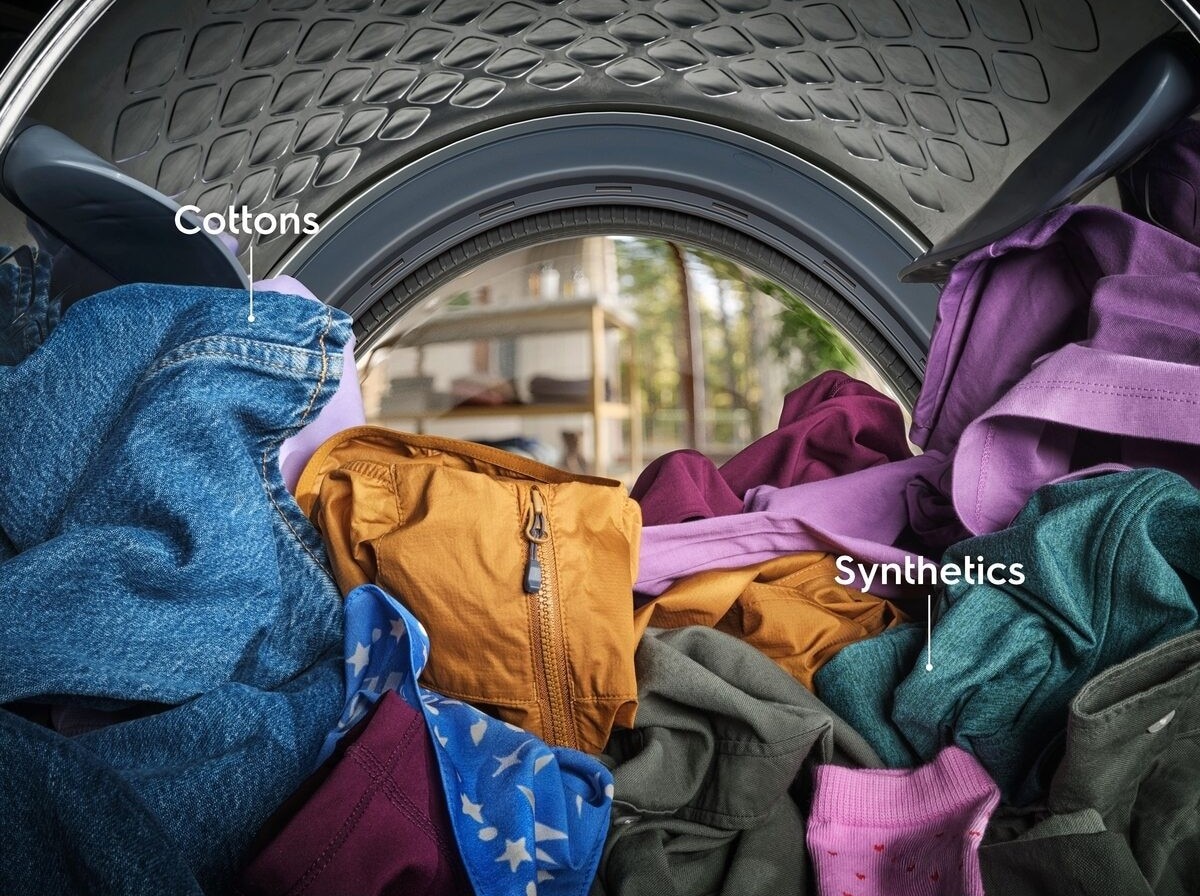
The simple science of lasting clothes

Fabrics age, that much is certain. But why fabric ages differently comes down to a mix of factors: fiber type, fabric construction, environmental exposure, and how we care for them. Understanding those variables gives you the power to slow the clock on your wardrobe.
The good news? A lot of fabric aging is preventable. With small, consistent habits you can dramatically extend the life of your favorite garments.
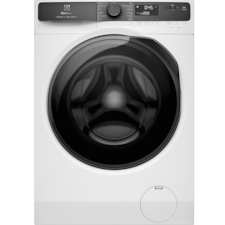
And when it’s time to upgrade your laundry setup, look for machines that support your care goals. Electrolux washing machines offer gentle cycles, eco modes, and smart sensors that reduce wear while conserving energy and water. It’s a practical way to protect both your clothes and the planet, because caring for your fabrics shouldn’t come at the cost of everything else.


-
- SensorWash helps remove up to 53 stains.*
- IntelliQuick selects best load based programme.
- CareDrum gently cares and protects your laundry.

-
- Added hygiene and gentle care.
- Efficient full-load washing in only 45 mins.
- Sanitise removes 99.99% common bacteria & viruses.*

-
- Prevents visible detergent residue with UltraMix.*
- Efficient full-load washing in only 45 mins.
- Sanitise removes 99.99% common bacteria & viruses.*
Frequently asked questions about why fabric aging and care
-
1. Ever wonder why one shirt lasts and the other fades fast?
It’s often about fiber type, fabric construction, and how it's cared for. A synthetic shirt washed gently can outlast a natural fiber one treated roughly. That’s why fabric ages differently.
-
2. Does fabric deteriorate over time?
Yes, washing stresses fibers especially in hot water or rough cycles. To prevent fabric from aging, use cold water, gentle cycles, and air dry when you can.
-
3. Are synthetic fabrics better for longevity?
Usually, yes. Synthetics resist shrinking and fading, but they can pill or retain odors. Natural fibers may age faster, but are easier to mend and refresh.
-
4. Can I restore faded colors?
A little. Color-safe detergents or dye boosters help. Washing inside out and using cold water slows future fading.
-
5. How should I store seasonal clothes to prevent aging?
Store clean, dry items in breathable bags. Avoid plastic, reduce humidity with silica packs, and keep them out of direct sunlight.