A washing machine can clean more than just clothes. Depending on the material and care instructions, you can use a washing machine to clean household items such as shower curtains, bath mats, small rugs, pillows, duvets, mop heads, microfibre cloths, oven mitts and pot holders.
The key is to check the care label, prepare each item properly, and choose the right wash cycle, water temperature and spin speed. Some items require a cold, gentle cycle, while others can tolerate warmer temperatures for a deeper clean.
In this guide, discover what you can wash in a washing machine beyond clothes and how to safely clean common household items while protecting both the item and your appliance.
Understanding your laundry machine’s potential
Today’s washing machines are designed with advanced capabilities that extend well beyond basic clothing care. Modern features such as specialised wash programs, adjustable spin speeds, precise temperature control, steam functions, and gentle drum movements allow for tailored cleaning based on material type and sensitivity.
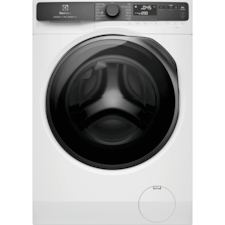
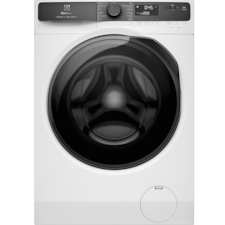
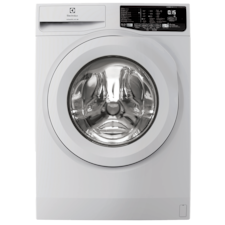
In models like Electrolux washing machines, innovations such as sensor-based load detection and fabric-care technology help maintain performance while protecting delicate items.
These innovations make it possible to safely clean a wider range of household items with confidence. As a result, today’s washers offer greater versatility, efficiency, and hygiene management than ever before.
How to refresh your home textiles & furnishings
Your washing machine can do more than handle clothing. Home textiles and furnishings are items that are frequently handled and accumulate dust, moisture, bacteria, and allergens over time, making regular cleaning essential.
Fortunately, with the right settings of today’s feature-rich washers and a little bit of preparation, items like shower curtains, bath mats, pillows, and duvets can be cleaned safely in your washer without the need for intensive scrubbing or professional cleaning.
1. Shower curtains (Fabric & plastic/vinyl)
Shower curtains are exposed to constant humidity, making them prone to soap scum and mildew, but most fabric and many plastic or vinyl types can be machine washed.
What to wash:
- Fabric shower curtains
- Many plastic/vinyl liners (always check care label)
How:
- Remove hooks or rings
- Pre-treat mildew spots with a mild stain remover
- Add 1–2 towels (for fabric curtains) to support gentle agitation
- Use cold water
- Select a delicate cycle
- Use a small amount of detergent
- Air dry or hang back in place to dry
Electrolux programs such as DelicateCare or SensiCare help adjust drum motion and water levels for lighter materials, while features like VapourCare can assist in refreshing and sanitising without aggressive washing.
2. Throw rugs & bath mats
Bath mats and small rugs collect dirt and moisture daily, yet are often overlooked during routine cleaning.
What to wash:
- Small rugs and bath mats with non-slip rubber backing (check label first)
How:
- Shake off loose dirt outdoors
- Wash in cold water
- Select a gentle cycle
- Add a towel to balance the load
- Air dry, or tumble dry on low heat if permitted
High-capacity Electrolux drums provide enough space for thicker rugs, while dryer programs such as SensiCare support even low-temperature drying to help protect rubber backings.
3. Pillows & duvets (Synthetic & Down)
Pillows and duvets absorb sweat, dust mites, and allergens over time, but many can be safely washed at home.
What to wash:
- Most synthetic pillows and duvets
- Many down-filled items (confirm via care tag)
How:
- Wash 1–2 items at a time to maintain balance
- Use a gentle cycle
- Add an extra rinse to remove detergent residue
- For down, use a detergent designed for feather fillings
- Tumble dry with dryer balls to restore fluff
Electrolux washers with larger drum capacities comfortably handle bulky duvets, and programs such as Woolmark Certified or DelicateCare provide controlled drum movements to protect delicate fillings.
Read more: How to wash and dry polyester pillows: A complete guide
How to clean your tools & kitchen aids
Cleaning tools and kitchen essentials are designed to handle dirt and grease, but they also need regular washing to stay effective and hygienic. Instead of replacing heavily used items, many can be refreshed easily in your washing machine with the right cycle and temperature settings.
Mops, dust mops & microfiber cloths
Mop heads and microfiber cloths trap dust, bacteria, and residue after repeated use, making routine washing essential.
What to wash:
- Most removable fabric mop heads
- Microfiber cleaning cloths
How:
- Rinse off excess dirt before placing in the washer
- Wash separately from clothing
- Use hot water
- Select a regular cycle
- Avoid fabric softener (especially for microfiber)
Electrolux washers with HygienicCare programs can help sanitize heavily used cleaning tools, using higher temperatures designed to reduce bacteria while maintaining fabric integrity.
Oven mitts & pot holders
Oven mitts and pot holders often accumulate grease and food stains from daily cooking.
What to wash:
- Fabric oven mitts
- Fabric pot holders
How:
- Pre-treat visible grease stains
- Wash in hot water
- Use a regular cycle
- Air dry or tumble dry on low if permitted
Electrolux models with high-temperature wash options provide the added heat needed to break down stubborn kitchen grease while ensuring thorough cleaning.
Important safety notes & best practices for washing non-clothing items
While many household items can be safely cleaned in a washing machine, proper preparation and settings are essential. Taking a few precautionary steps helps protect both your items and your appliance, ensuring effective cleaning without unnecessary wear or damage.
Always check the label
Before placing any non-clothing item in the washer, check the care label carefully. Look for the “machine washable” symbol and review temperature limits, spin restrictions, and drying instructions. If the label advises hand wash only or explicitly prohibits machine washing, it is best to follow those instructions.
Prepare items properly
Preparation improves cleaning results and prevents damage.
- Remove loose parts such as hooks, inserts, or detachable components
- Empty pockets or hidden compartments
- Pre-treat visible stains or heavily soiled areas
- Use mesh laundry bags for smaller or delicate items
Choose the right cycle & temperature (gentle is often best)
In most cases, cold water and a delicate or gentle cycle provide sufficient cleaning while reducing stress on materials. Use hot water only when sanitation is necessary and the care label permits it.
Avoid overloading & balance the load
Overloading prevents proper agitation and rinsing. Wash bulky items individually or in balanced pairs to maintain drum stability and ensure thorough cleaning.
Air dry or use low Heat
Whenever possible, air dry items to prevent shrinking, warping, or melting; particularly for rubber-backed or plastic components. If using a dryer, select the lowest heat setting recommended on the care label to minimize damage.
A smarter way to care for the things you love
A beautifully kept home comes down to thoughtful care. Today’s washing machine is no longer limited to garments alone; it plays a quiet but powerful role in maintaining the textiles and essentials that shape daily comfort. From refreshing bath linens to restoring pillows and kitchen essentials, it supports a lifestyle where cleanliness feels seamless rather than laborious.
Electrolux washing machines and dryers are designed with this philosophy in mind. Intuitive controls and specialised programs such as DelicateCare, HygienicCare, and VapourCare allow a wider range of items to be cleaned with precision and confidence. The result is convenience with a refined standard of care, helping you maintain a home that feels fresh, elevated, and effortlessly composed.
Frequently asked questions on washing non-clothing items
1. Can I wash all types of shoes in a washing machine?
No. Canvas and fabric shoes are generally safe on a gentle, cold cycle (use a mesh bag and towels for cushioning). Leather, suede, and structured shoes should never be machine washed.
Read more: How to wash shoes in the washing machine: A step-by-step guide
2. Can I machine wash a pet bed?
Yes, but wash it separately. Remove loose hair first, check the care label, and use the recommended temperature setting to ensure bacteria and odors are eliminated.
3. What if an item doesn’t have a care label?
If unsure, use cold water and a gentle cycle with low spin speeds. Avoid the dryer. For delicate or structured items, hand washing is the safest option.
4. How do I prevent plastic items from melting?
Always use cold water to wash. For drying, air drying is best. If you must use a dryer, use the lowest possible heat setting.
5. What should NEVER go in a washing machine?
Do not wash non-washer-safe foam, rigid plastics, structured hats, heavily soiled items with flammable residue, or "dry clean only" items.
6. Can I clean a yoga mat in the washer?
Only if the label explicitly says it is machine-safe (use a cold, gentle cycle). High-density or rubber mats should be hand-cleaned to prevent cracking.
7. Can I wash stuffed animals?
Yes, plush toys without electronic or battery components are usually safe. Place them in a mesh bag, wash on a cold/delicate cycle, and air dry.
Read more: Can plushies be washed in the washing machine? A complete guide