


Understanding what is in your household water helps you make informed, confident choices for your family's daily drinking and cooking needs.
Why Understanding Drinking Water Quality Matters
Clean water is central to a healthy home. From brewing morning coffee to preparing meals for loved ones, drinking water quality directly shapes daily wellbeing. When news of localized raw water contamination arises, such as seasonal runoff affecting river basins in northern provinces, it naturally raises questions about what comes out of household taps. Distinguishing between raw river water and treated municipal supply is the first step toward clarity without alarm. Discover Electrolux water purifiers
Physical, Chemical, and Microbiological Indicators
Water quality is evaluated across three primary dimensions: physical clarity, chemical composition, and microbiological safety. Physical factors include clarity, sediment, and natural odour. Chemical indicators cover dissolved minerals, chlorine residuals from municipal treatment, and potential heavy metals. Microbiological checks look for bacteria and microorganisms. No single test or reading captures all three, which is why comprehensive safety relies on official municipal monitoring and accredited testing standards.
Source Water, Treated Tap Water, and Point-of-Use Water
To assess your home's water realistically, it is essential to understand where your supply originates and how it travels to your glass. Local river monitoring reflects untreated raw water conditions, whereas municipal water authorities treat and disinfect water before distribution through the urban network.
Understanding the Journey to Your Tap
Treated tap water meets national drinking guidelines at the treatment facility. However, storage tanks in residential buildings and older plumbing networks can introduce secondary sediment, scale, or residual chlorine taste. Point-of-use treatment allows households to refine water quality right at the counter, ensuring consistent taste and peace of mind regardless of internal building piping conditions.
How to Check and Test Your Drinking Water Quality
Assessing household water does not require guesswork. A balanced approach combines authoritative public advisories with reliable testing methods.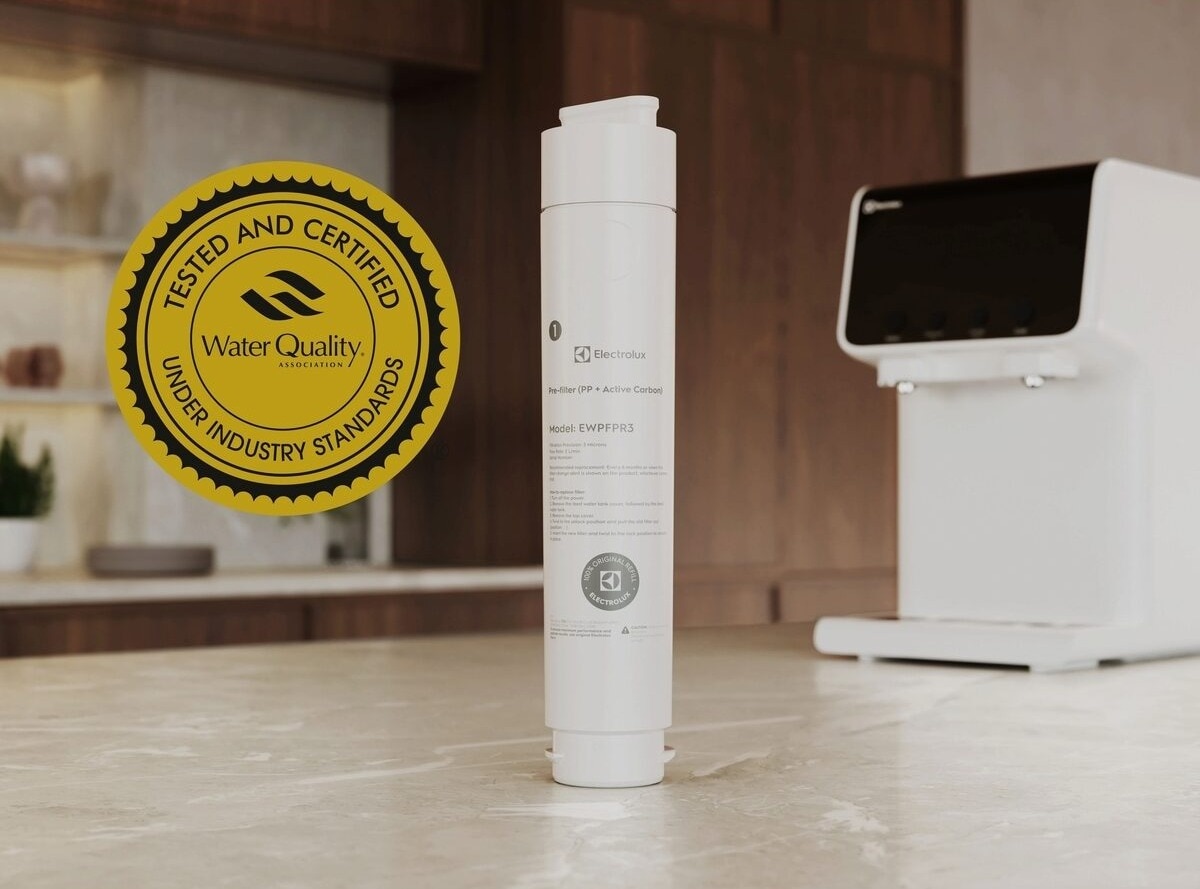
Reliable Testing and Monitoring Methods
- Official Utility Reports: Check regular water quality bulletins published by municipal waterworks authorities for baseline mineral and treatment data in your district.
- Accredited Laboratory Analysis: For private wells or specific contaminant concerns, certified laboratory testing provides precise, quantitative reports on heavy metals and chemical compounds.
- TDS Screening: Total Dissolved Solids meters measure general dissolved minerals and conductivity. While helpful for monitoring filtration performance, TDS is a general indicator rather than a comprehensive test of chemical or microbiological safety.
Interpreting Test Results with Balance
Screening tools like test strips or TDS monitors offer quick observations, but they are designed as routine checks rather than definitive safety certificates. For comprehensive filtration and everyday convenience, modern countertop systems provide real-time monitoring of filter lifespan and dissolved solids, helping you stay informed about your daily drinking water.
Explore Our Range of Countertop RO Water Purifiers

-
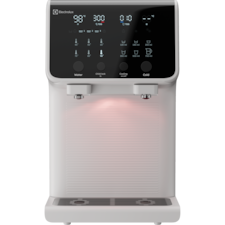
- Purified hot and cold water any time with 700 RO Water Purifier.
- Tested and trusted – WQA Gold Seal certification.
- Filters reduce visible impurities and microscopic contaminants.
-
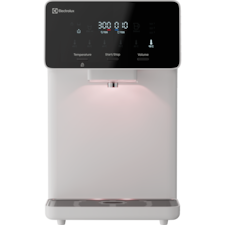
- Hot to room temperature water with 600 RO Hot Water Purifier.
- Tested and trusted – WQA Gold Seal certification.
- Filters reduce visible impurities and microscopic contaminants.
Choosing the Right Water Purifier for Your Home
Selecting an effective household solution starts with matching multi-stage filtration technology to your home's water profile and your family's lifestyle needs.
Multi-Stage RO Filtration and Dual UV Sterilisation
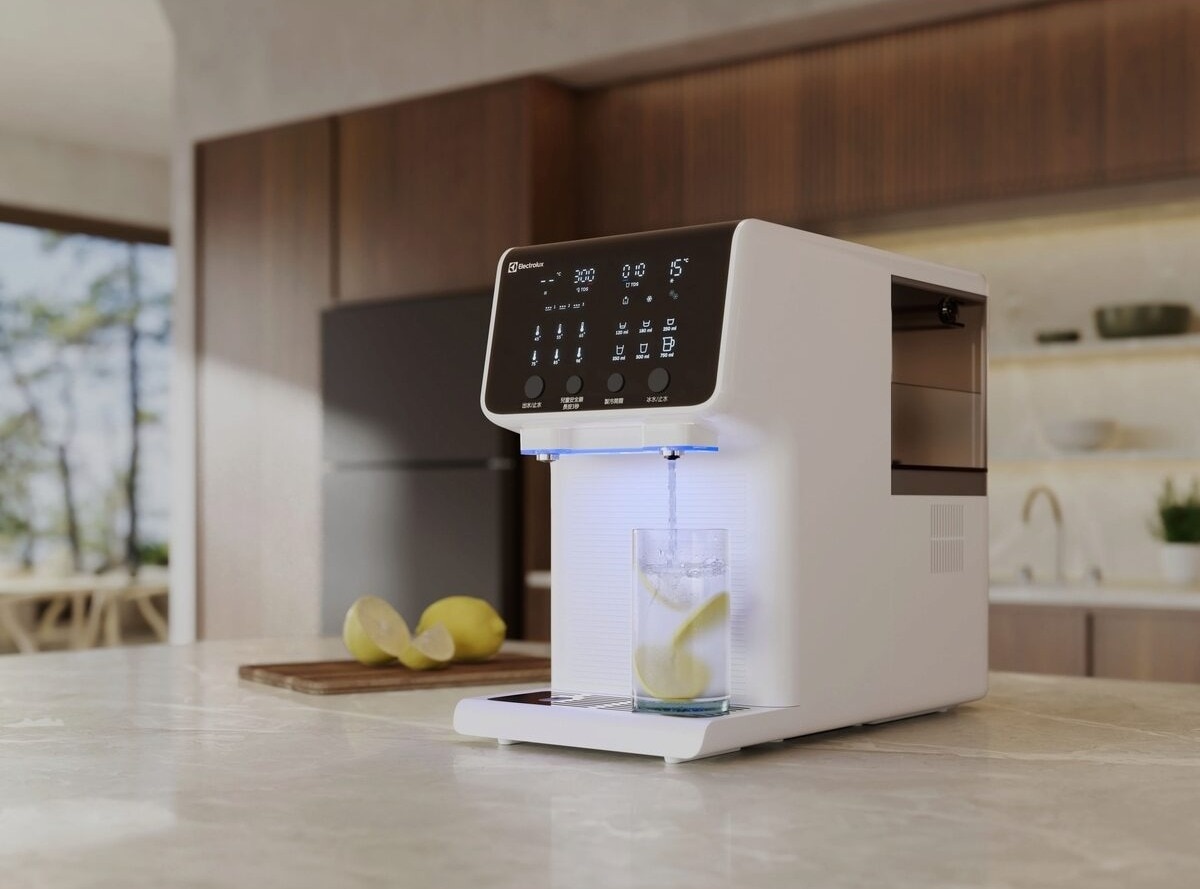
Reverse osmosis filtration offers advanced point-of-use purification. Multi-stage filtration begins with a pre-filter to trap visible impurities such as sediment, followed by an RO membrane that reduces TDS and heavy metals. A post-filter refines taste, remineralises, and reduces chlorine and odours. Electrolux 700 RO Water Purifier holds the WQA Gold Seal, tested under NSF/ANSI/CAN 372 standards, while its Dual UV Sterilising System uses UV-LED lights in both pure and cold water tanks to continuously remove bacteria and eliminate up to 99.99%* of bacteria in the pure tank for lasting freshness.
*Based on internal test in accordance with standard GB/T 5750.12-2006. **Based on internal test in accordance with standard GB/T 5750.12-2023.
Frequently Asked Questions
Does a low TDS reading mean drinking water is completely safe?
A Total Dissolved Solids reading measures the concentration of dissolved inorganic salts and organic matter. While a low TDS reading indicates effective mineral reduction, it is a general measurement and does not specifically verify the absence of all microorganisms or individual chemical contaminants.
What is the difference between raw water and municipal tap water?
Raw water is untreated surface or ground water sourced directly from rivers, lakes, or underground aquifers. Municipal tap water undergoes rigorous industrial filtration, coagulation, settling, and disinfection by public utilities before being distributed to households.
How does reverse osmosis filtration work in a home purifier?
Reverse osmosis forces pre-filtered water through a semi-permeable membrane with microscopic pores. This membrane separates dissolved solids, heavy metals, and microscopic impurities from the purified water, which then passes through post-filtration and sterilisation before dispensing.
How often should water purifier filters be replaced?
Filter replacement schedules depend on daily usage and source water quality. In multi-stage countertop RO systems, pre-filters and activated-carbon filters are replaced every six months, while RO filters are replaced every two years. Built-in digital indicators help monitor filter life accurately.
Can a countertop water purifier dispense both hot and cold water?
Yes. Advanced countertop models, such as multi-stage RO water purifiers, feature dedicated heating and cooling tanks with precise temperature settings, providing instant boiling water for tea and coffee alongside chilled water on demand.
Looking for a reliable way to enjoy pure, fresh drinking water every day? Explore the range of Electrolux water purifiers to find the ideal countertop solution for your home.